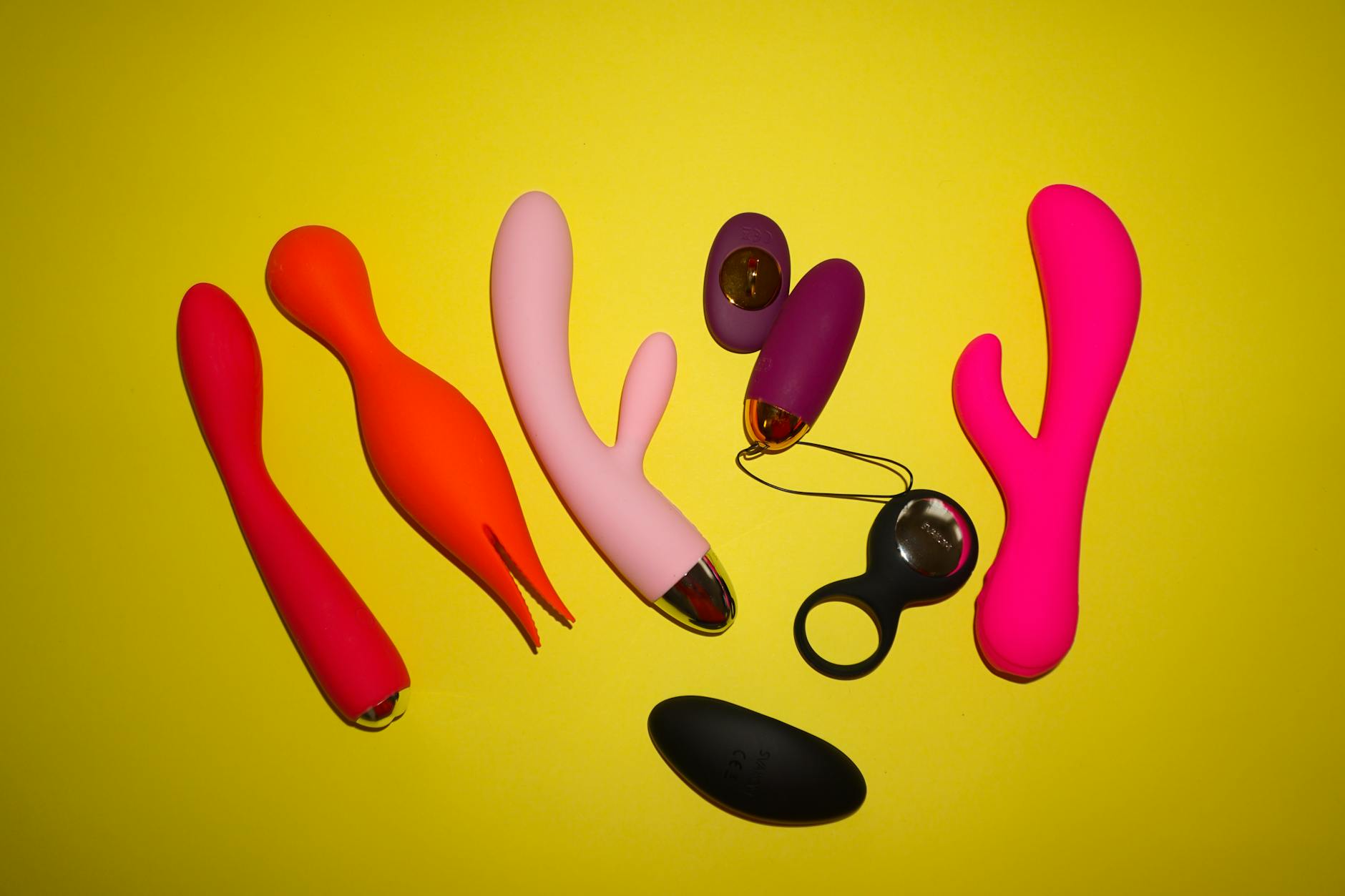
How to Find the Right Lemon Vibrator for Your Body Type
One size does not fit all when it comes to clitoral vibrators. Here's how to choose a lemon vibrator that actually works with your body, not against it.
Here's the thing: buying a vibrator without knowing what your body actually responds to is like buying shoes without trying them on. You might end up with something beautiful that sits in a drawer because it doesn't fit right.
I work with couples navigating intimacy across different life stages, and I hear the same complaint over and over. Someone buys a vibrator based on reviews or aesthetics, uses it twice, and feels like they're broken. They're not. The vibrator just isn't matched to how their body works.
Let me break down how to actually find a lemon vibrator that fits.
Sensitivity isn't a personality trait. It's a physical fact that varies wildly between people, and it also changes across your cycle, throughout life stages, and based on stress levels.
Before you look at any vibrator, ask yourself: when you touch your clitoris directly with your finger, does light pressure feel good, or do you need more intensity? Can you handle direct contact, or does it feel overstimulating?
This single question should shape your whole search. If direct contact feels intense, you need a vibrator that disperses sensation across a wider area. The lemon clitoral vibrators from Hello Nancy, for example, use suction and broad-based stimulation rather than pinpoint vibration. This matters because suction stimulates the entire clitoral network, not just the exposed glans.
If you prefer direct, concentrated sensation, you'll want something with a smaller contact surface and higher intensity settings.
Most people think they want the most powerful vibrator available. Then they buy it and can't use it because it's overwhelming. Intensity is not the same as pleasure. A vibrator that's too strong numbs sensation rather than amplifying it. Start with the assumption that you want less power than you think, not more.
Your hand size, the way your vulva is structured, and how your clitoris sits all affect which vibrator will actually reach the spots you want stimulated.
Some bodies respond better to a larger, flatter contact surface. Others need something slimmer that can fit into tighter spaces. A vibrator that's too wide might miss your actual point of sensitivity entirely, which is frustrating and expensive.
Look at the actual dimensions, not just the photo. A device that looks delicate might be surprisingly broad at the contact point. Conversely, something that looks substantial might have a surprisingly small stimulation zone.
If you have vulvovaginal anatomy that varies from typical (asymmetrical lips, a more prominent clitoral hood, or anterior positioning), pay attention to how the vibrator's design might interact with your specific anatomy. This is where reading detailed reviews from people describing their body type becomes genuinely useful rather than just entertainment.
The lem vibrator is designed with a broad suction opening that works well for most anatomies, but even devices designed for a wide range of bodies have individual fit variation. What matters is that you're thinking about this before you buy, not discovering it afterward.
A lot of vibrators offer multiple patterns because manufacturers assume variety is always better. In reality, most people end up using one or two patterns consistently and ignoring the rest.
The real question is not "how many patterns does it have" but "what does each pattern actually feel like." Rapid pulses feel completely different from waves or steady vibration. Some patterns mimic a rhythm your body finds soothing; others are just distracting noise.
If you're trying a vibrator for the first time, you probably want steady stimulation in the lower frequency range. You can always increase intensity or try patterns later. Many clitoral vibrators, including lemon suction devices, let you adjust intensity in increments. This is actually more valuable than pattern variety because you can dial in exactly what feels right rather than cycling through preprogrammed options.
Think about what your hand does when you're self-stimulating. Are you moving in circles? Applying steady pressure? Does rhythm matter? The vibrator that mimics or enhances what already works will almost always beat the one with the most advanced features.
Silicone is the standard for a reason. It's body-safe, easy to clean, and doesn't harbor bacteria the way some porous materials do. But even within silicone, there's variation. Some feel smooth and almost creamy; others feel more like rubber.
If you have sensitive skin, material matters. Some people develop irritation from certain silicone formulations or finishes. This is uncommon but real. If you have a history of irritation or allergies, look for medical-grade silicone and read whether other users with sensitive skin have had issues.
Texture also affects sensation. A smooth silicone surface feels different from one with texture or ridges. Some people prefer smooth; others find it feels too slippery and want a bit of grip. This is entirely personal, which is why looking at product photos isn't always enough. You need to read how it actually feels against skin.
Here's what I tell people: if a retailer has a good return policy, use it. Buy the vibrator you think will work, use it a few times, and if it's not right, return it. This isn't wasteful. It's how you actually learn what your body responds to.
Many vibrators feel awkward the first time you use them. That's normal. But if after three or four sessions it still feels off, you're allowed to try something different. Your pleasure is not a failure if it takes experimentation.
Hello Nancy's approach to customer service includes straightforward information about what each vibrator actually does and how it differs from others in the line. Take advantage of that. Send them a message if you're uncertain. Describe your body, your sensitivity baseline, and what you're looking for. A real person can usually point you in a better direction than you'll find through reviews alone.
There's a real difference between traditional vibration and suction-based stimulation, and not all bodies prefer the same thing.
Vibration works by moving back and forth very quickly. It's what most people think of when they picture a vibrator. Suction works by creating a gentle pressure change that pulls the clitoris into a stimulation chamber. The sensation is broader, more diffuse, and often feels less intense to people who are overwhelmed by direct vibration.
If you've tried traditional vibrators and found them either too intense or not intense enough, the opposite technology might be the answer. A lot of people gravitate toward lemon vibrators specifically because suction feels fundamentally different from vibration. It's not better or worse. It's just different, and it might be what your body has been looking for.
Some people lie on their back. Others prefer sitting, standing, or a side-lying position. The shape of your vibrator affects which positions feel comfortable.
A long, slender vibrator might work great for hand-held use but feel awkward against a pillow. A broad, compact one might be perfect for partnered use but harder to grip alone. There's no universal winner here, but thinking about how you'll actually use it matters.
If you have mobility limitations, arthritis, or grip strength challenges, a heavier vibrator might tire your hand quickly, even if the stimulation is perfect. Look for something lighter or consider whether a hands-free option (like a wearable vibrator) might suit you better.
You don't need to own five vibrators to find the right one. But you do need to be honest about what your body likes.
If you've used anything before, even a basic vibrator from years ago, think about what worked and what didn't. Was it too intense? Not intense enough? Did the shape work for your body? This isn't starting from zero. You have information already.
If you're starting completely fresh, begin with a mid-range option designed for a broad audience. The lemon vibrator is popular for exactly this reason. It's not the cheapest, but it's genuinely designed to work with most bodies. That's not marketing. That's the result of listening to what people actually want from a clitoral vibrator.
Once you know what that experience feels like, you can decide whether you want something more specialized or whether you've found your match.
If you're choosing a vibrator to use with a partner, have that conversation separately from the purchase. What sensation do you want? What matters to them in the experience? Are you using this for partnered sex, for solo pleasure, or both?
The answers will shape what you're looking for. A vibrator designed for partnered use might have a different shape and control interface than one optimized for solo exploration. Understanding this before you buy saves money and frustration.
If you're working through intimacy challenges, a sex toy is a tool, not a solution. But the right tool, chosen thoughtfully, can genuinely help you reconnect and explore together. I've seen couples use the process of choosing a vibrator as a way to open conversations about desire and pleasure that they'd been too awkward to start.
Write down your answers to these questions: How sensitive is your clitoris to direct touch? What size and shape feels comfortable in your hand? Do you prefer intense or subtle sensation? What positions do you usually use? Do you have any material sensitivities?
Then look at the specific specs and reviews through that lens. You're not looking for the most popular vibrator. You're looking for the one that matches your actual body and preferences.
Beginners tend to do well with a compact device in the mid-intensity range. Something like the lem vibrator is popular because it's small enough to feel approachable but sophisticated enough that you won't outgrow it. The suction mechanism is gentler than direct vibration, which makes it good for people still learning what their body responds to. Start with the lowest intensity setting and increase gradually. Most people are surprised by how much sensation they can enjoy without maxing out the power.
Yes, but approach it differently. If direct touch feels overwhelming, a suction-based vibrator like the lem might work better than a traditional vibrator because the sensation is more diffuse. Start on the lowest setting and use it over the clitoral hood rather than directly on the glans. Many people with high sensitivity find they can enjoy suction vibrators at low intensities when direct vibration would be too much. You can also use lubricant to reduce direct sensation and ease into higher intensities gradually.
Read the actual dimensions, not just the description. Look at photos showing size relative to something recognizable. Read reviews from people who mention their anatomy. If the product page doesn't have enough detail, contact Hello Nancy directly. Describe your body and ask whether this particular vibrator is likely to work for you. A real conversation beats guessing based on marketing copy.
Not exactly. Lemon vibrators typically use suction or air-pulse technology rather than traditional oscillation. This creates a different sensation that many people find either perfect or not their preference. It's not better or worse than other clitoral vibrators. It's a different approach to stimulation. If you've tried traditional vibrators and they didn't work, a suction-based lemon vibrator might be the answer. If traditional vibration works great for you, there's no reason to switch.
Absolutely. The design works well for partnered use because the contact surface is broad enough that your partner can use it on you while staying positioned comfortably. The lem vibrator and other lemon sexual toys are popular specifically because they work for solo and partnered exploration. If you're planning to use it together, discuss intensity preferences first and start low. Many people are surprised by how much sensation even a mid-range setting provides when someone else is controlling it.
Don't assume you're broken. The vibrator might just not match your body or preferences. Try adjusting how you use it: different positions, different intensity levels, direct or indirect contact. If you've experimented for a few sessions and it still feels off, you're allowed to try something different. Many retailers have return policies for exactly this reason. Your pleasure matters enough to spend the time finding what actually works.