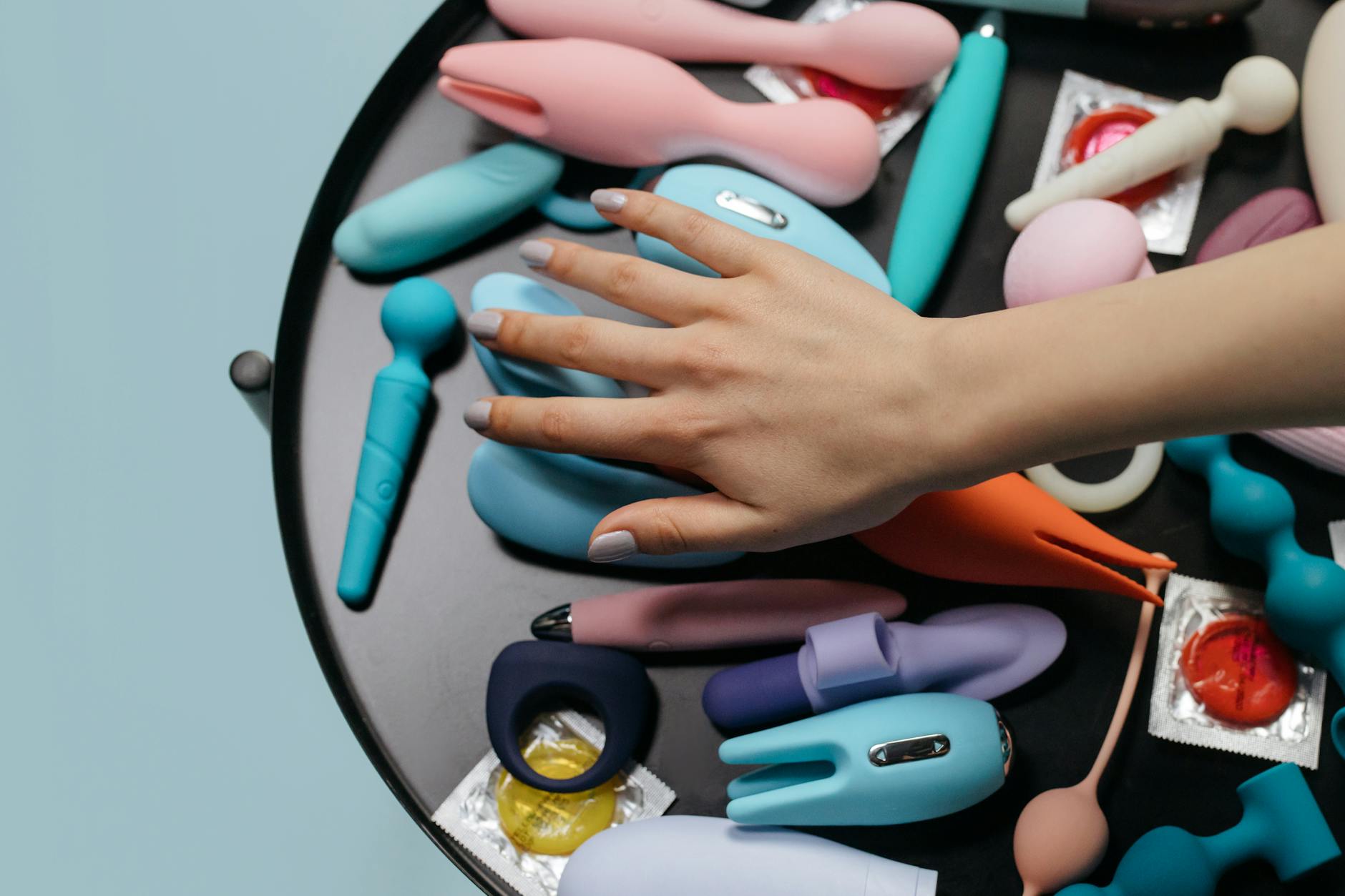
Pleasure doesn't have to pause during healing. Here's what you need to know about timing, safety, and rebuilding intimacy with a Lemon clitoral vibrator post-recovery.
Here's what nobody tells you about recovery: the body healing and the body wanting pleasure aren't mutually exclusive. In fact, they often run parallel.
If you're navigating intimacy after surgery, an injury, or medical procedures affecting your pelvic region, you probably have questions that feel too specific to ask your doctor and too delicate to Google. Let's be real about what you can do, when you can do it, and how a clitoral vibrator like the Lemon fits into your healing journey.
Your body doesn't separate healing from pleasure the way your mind does. Sexual response increases blood flow, reduces inflammation markers, and releases neurochemicals that actually speed tissue recovery. That's not poetic. That's physiology.
But there's a catch. Early recovery requires caution. The Lemon's air-suction technology means you're not adding mechanical pressure to sensitive areas. It's gentler than traditional vibration. That matters. But gentler isn't the same as "free pass to jump back in week one."
The timeline depends on what you've healed from. Abdominal surgery, hysterectomy, C-section, episiotomy repair, pelvic floor physical therapy, vulvovaginal procedures. Each one changes the answer.
Most doctors clear penetrative activity around week 6 post-op. But clitoral stimulation is different. The clitoris is external, farther from surgical sites, and requires no internal penetration.
Here's the general framework I share with clients:
Weeks 1-3: Hands-on exploration only. No devices. Your job is to notice sensation returning, not to climax. This sounds restrictive. It's actually grounding. You're reconnecting with your body without agenda.
Weeks 3-6: Gentle external stimulation with the Lemon on the lowest settings is often okay if you have clearance from your surgeon and no active pain. Ask first. Every surgery is different. Some doctors encourage it. Others want you to wait.
Weeks 6+: Most people are cleared for full use, but intensity should still climb gradually. Your tissues are healing. Your nervous system is recalibrating. Patience here pays off.
The key phrase is "if you have clearance." This is the conversation with your surgeon or physical therapist before you reach for your Lemon. Not after.
After pelvic surgery or injury, certain positions create pressure or stretch on healing tissue. Others feel completely neutral.
If you had abdominal surgery, lying flat on your back might feel pulled. Side-lying with your knees bent is often more comfortable. If you had vulvar or perineal work, lying on your back with a pillow under your hips takes pressure off the surgical site while still giving you access.
With the Lemon, you have control. You're not managing a partner's weight or rhythm. You can shift position the moment something doesn't feel right.
Start in whatever position lets you fully relax. Tension slows healing. Relaxation speeds it.
Assuming you have surgical clearance, here's the protocol:
Cleanliness first. Wash your hands and the Lemon with warm water. Your body is in healing mode. Infection risk is real, even if it feels low.
Start on setting 1. The Lemon has multiple intensity levels. You're not using them all yet. One gentle pulse pattern is enough. You're gathering information about what your healed body responds to, not chasing orgasm.
Use water-based lubricant. Even externally. Surgical sites can feel drier. Lube reduces friction and makes the sensation more comfortable. It also signals to your nervous system that this is safe.
Keep sessions short. 5 to 10 minutes. This is not the time to spend 30 minutes exploring. You're testing readiness. That's different.
Stop if there's pain. Soreness after months of inactivity is normal. Sharp pain, throbbing, or increased swelling is not. If you hit that, stop. Wait longer. Check with your doctor.
Track your recovery. Notice what setting feels good, what position is comfortable, whether you feel sore after. This data is gold for conversations with your physical therapist.
Physical healing and emotional healing don't align automatically. You might be cleared medically weeks before you feel ready mentally. That's not a failure. It's normal.
Surgery, especially pelvic surgery, can shift how you relate to your body. It was broken. It was fixed. Now you're asking it to feel pleasure again. That story matters.
Some people find that using a clitoral vibrator solo first helps. There's no performance pressure. No partner watching to see if you're "back to normal." You're just reacquainting yourself with sensation in private. The Lemon's design makes this easy because it's intuitive. There's minimal setup, no learning curve. You pick it up and use it.
If you're in a partnership, a conversation ahead of time helps. "I'm cleared to explore pleasure again. I'm going to start slowly and by myself. When I feel ready, I might want you involved." That's clarity. Partners appreciate it.
After pelvic surgery or injury, sensation often comes back gradually. Some people report numbness that fades over months. Others feel heightened sensitivity that calms down over time. Both are common.
You might notice that what felt amazing before surgery feels different now. That's not broken. It's recalibration. Your nervous system is rewiring. Give it time.
Climax might feel harder to reach in early recovery. You're not broken either. You're asking your body to do something complex while it's still in repair mode. Your brain, pelvic floor, cardiovascular system, and pleasure center all need to sync. That takes time.
This is where the Lemon's consistency helps. Air-suction technology is reliable. The stimulation pattern is predictable. You can focus on sensation rather than worrying about mechanical variation. For bodies in recovery, that predictability is comfort.
If you have a partner, rebuilding shared intimacy is its own timeline.
Many couples benefit from starting with non-sexual touch. Massage, hand-holding, kissing. Full-body reconnection before jumping to genital stimulation. This isn't delaying pleasure. It's layering it back in systematically.
When you do bring genital touch back, talking through it helps. "This position feels good. That one is uncomfortable." "I want to go slow here." "I'm noticing numbness, which is normal." Partners who can listen without trying to "fix" the experience make all the difference.
Using the Lemon with a partner can actually ease the transition. They're not responsible for your pleasure. The device is. They're present, supportive, and free to focus on connection rather than performance. How to Use Lemon Vibrators With a Partner: A Communication Guide breaks down that conversation in detail.
Increased pain. Swelling that doesn't go down within an hour. Bleeding or discharge that changes color or smell. Feelings of internal pressure. Any of those means pause, not push through.
Mental health matters too. If using the Lemon triggers anxiety, shame, or flashbacks to the surgical experience, that's worth talking through with a therapist. Trauma can live in pleasure. Healing means addressing that directly.
At some point, you stop thinking about recovery and start just enjoying yourself again. That moment is different for everyone. It might be six weeks. It might be six months.
When you get there, you've earned it. Your body has healed. Your mind has adjusted. You know what you need and feel permission to ask for it. Why Lemon Vibrators Might Not Feel Right and How to Fix It walks through troubleshooting if something still feels off once you're fully cleared.
Until then, patience isn't resignation. It's respect for what your body has been through.
Not usually. Most surgeons want you to avoid any sexual activity, including solo use, for at least two weeks, often longer. The exact timeline depends on the type of surgery and how your healing is progressing. Ask your surgeon specifically about clitoral stimulation, not just penetration. They're different activities with different tissue involvement.
The Lemon's air-suction design means it doesn't add direct mechanical pressure the way traditional vibrators do. That can make it gentler on sensitive healing tissue. But "gentler" doesn't mean "risk-free early." Timing and surgical clearance matter more than the device itself. Once you're cleared, yes, the Lemon's design is considerate of bodies in recovery.
Stop immediately. Pain is information. It might mean you're not healed enough yet, you need more lubrication, or the positioning is putting pressure on a sensitive area. Give yourself more time. Check with your doctor if pain persists. There's no prize for pushing through.
Indirectly, yes. Clitoral stimulation increases blood flow and can help you reconnect with sensation in your pelvic region, which supports physical therapy work. But vibrator use isn't a substitute for pelvic floor physical therapy. If you've had pelvic floor involvement in your surgery or injury, ask your PT about integrating pleasure into your recovery plan. They can guide timing and intensity.
Most people are ready for full, unrestricted use around 8 to 12 weeks post-op, assuming healing is on track. But this varies widely. Some people need more time. Listen to your body rather than watching a calendar. When you can use it for 20 minutes without soreness, swelling, or discomfort, you're probably back to normal.
That's extremely common. Surgical trauma, scar tissue, and nerve changes can shift how sensation feels. Some people report heightened sensitivity for a while. Others experience numbness that fades gradually. Both usually resolve over three to six months. If numbness persists beyond six months or sensation doesn't feel like it's improving, mention it to your surgeon or a pelvic floor physical therapist.
Healing is not a straight line. Some days you'll feel ready. Other days, the thought of touching yourself sexually will feel impossible. Both responses are normal. Your body has been through something. Honor that.
When you do feel ready to rebuild pleasure, starting slowly with tools like the Lemon gives you control and predictability. Your body knows how to feel good again. Sometimes it just needs time, patience, and permission. That's all recovery really is.