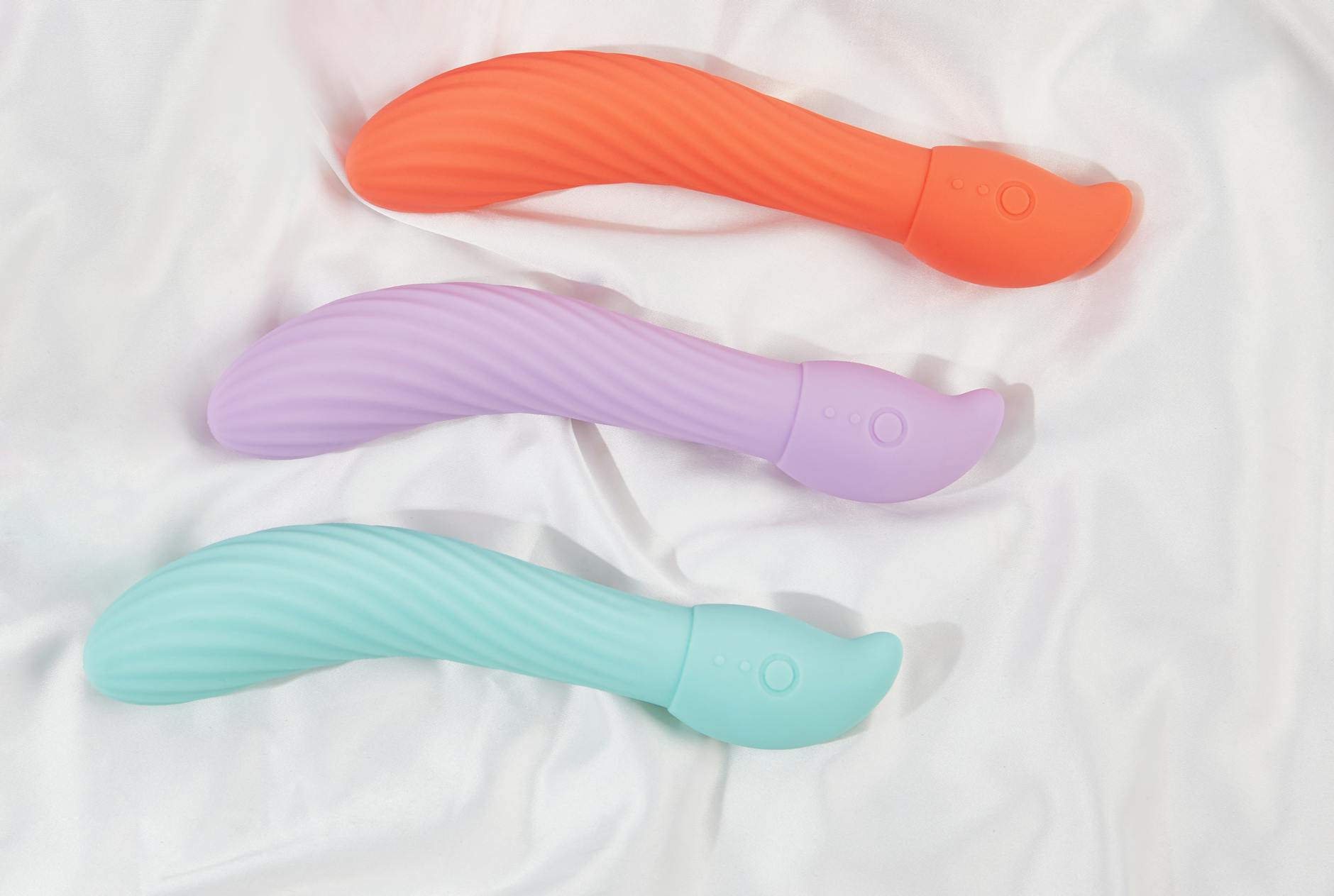
How to Use a Lemon Vibrator for Better Clitoral Sensation With Reduced Genital Sensation
When your clit stops responding like it used to, a lemon clitoral vibrator works differently than you might expect. Here's how to rebuild sensation where it counts most.
Reduced clitoral sensation is one of those things nobody warns you about. It can happen gradually over months or show up suddenly. Maybe stress flattened your arousal response, or medication dampened your body's ability to feel pleasure, or hormonal changes made everything feel muted. Whatever the cause, the effect is the same: touching yourself feels less intense, arousal takes longer to build, and orgasms feel distant instead of within reach.
A standard vibrator buzzes in one frequency, and if your clit isn't particularly responsive that day, you're just sitting there with a buzzing toy hoping something clicks. A lemon clitoral vibrator uses suction combined with pulsing patterns, which sends a completely different message to your nervous system. Instead of surface vibration alone, suction creates pressure waves that reach deeper tissue and stimulate nerves in a way that's hard to ignore, even when sensation is dampened.
That matters because reduced clitoral sensation often means the nerve endings need more pronounced stimulation to register arousal. The Lem works by drawing the clitoris gently into a small chamber while pulsing, which amplifies the signal your body receives. Think of it like turning up the volume on a quiet song instead of playing a loud song poorly.
The pattern variety also helps. If you're working with reduced sensation, you need options. The Lem has multiple intensity levels and pulse patterns, so you're not locked into one vibration frequency. You can shift patterns mid-session to keep your nervous system engaged, which becomes crucial when your body is slower to respond.
With reduced genital sensation, skipping warm-up isn't an option anymore. You're not being lazy or broken if it takes 20 to 30 minutes to feel aroused. Your body simply needs more time to build that response.
Start with something you find genuinely pleasurable but non-sexual: a warm shower, a soft touch on your arms or neck, even just lying still for five minutes and focusing on your breathing. The goal is to shift your nervous system out of fight-or-flight and into the parasympathetic state where pleasure can actually happen. Once you're relaxed, move into genital touch gradually.
When you introduce the lemon clitoral vibrator, start on the lowest setting. Let the sensation build without forcing arousal. This is where patience becomes a tool, not a limitation. Many people with reduced sensation find that the suction action of a lemon vibrator jumpstarts their nervous system after 10 to 15 minutes of consistent use, which wouldn't happen with a traditional vibrator at all.
One trap people fall into: cranking the intensity to maximum when sensation is low. That usually backfires. Too much intensity can numb the area further or create a painful sensation instead of pleasure.
Instead, focus on positioning. The Lem works best when placed directly over the clitoris, not to the side. Some people with reduced sensation find that they need to experiment with slight angle adjustments. Try positioning it more toward the upper clitoris or slightly off-center to find where your most responsive nerve endings are living right now. That responsiveness might shift week to week, especially if hormones are still fluctuating.
Pressure is different from intensity. Even on a low setting, increasing the seal between the toy and your body creates more suction force. Some people find that applying slight downward pressure while using the Lem helps the sensation register better. Others need lighter contact. There's no universal answer here—this is your permission to actually experiment and notice what your body responds to.
This might sound obvious, but lube becomes non-negotiable. Water-based lube creates a seal that improves the suction action of a lemon clitoral vibrator, and it also allows your tissue to respond more smoothly without friction. Even if your body produces adequate lubrication, adding lube can help the toy create better contact and amplify sensation.
Better contact means the suction pattern reaches more nerve endings. That's especially important when your baseline sensation is already dampened. A dry or minimally lubricated experience just becomes frustrating frustration rather than pleasure. Use enough lube that the toy glides smoothly and maintains a good seal, and reapply during a longer session if needed.
When sensation is unpredictable, you start noticing what actually changes the experience. Some days, after a good night's sleep and coffee, arousal comes faster. Other days, stress flattens everything. Hormonal shifts matter, especially if you're cycling or in transition. Energy levels, hydration, whether you've exercised—all of these affect genital sensation more than most people realize.
Start keeping loose notes about what helps. Not in an obsessive way, but "tried the Lem for 20 minutes on pattern 3, took a while but got there" versus "stress was high, only made it to 10 minutes, stopped." Over a few weeks, patterns emerge. You'll notice which settings consistently work for you, which times of day feel more responsive, and what conditions in your life actually change your capacity for pleasure.
That information is gold when you're rebuilding sensation. It tells you this isn't random, and it tells you what you can actually control.
Reduced sensation often makes people want to go solo first, which is completely valid. But if you have a partner and want to explore together, the conversation helps. They need to understand that this isn't about them or their touch being inadequate. It's about your nervous system needing a different kind of signal right now.
Trying a lemon clitoral vibrator together can actually reduce pressure. Instead of them wondering if they're doing something wrong or you feeling self-conscious about needing more stimulation, the toy becomes a shared tool. They can hold it, adjust the pattern while you focus on sensation, or create that warm-up environment while you get familiar with how your body responds.
The key is separating the conversation from the experience. "My body is responding differently" is different from "I need us to try something new together." Both might be true, but they're separate topics that need separate discussions.
Rebulding clitoral sensation takes weeks sometimes. You're not starting from zero—your nerve endings are still there—but your nervous system has been getting used to reduced input, and that takes time to reverse.
With consistent use of a lemon clitoral vibrator (maybe three or four times a week), many people report that sensation returns noticeably within two to three weeks. Orgasms feel stronger around week four or five. By eight weeks, most people feel genuinely different. Not necessarily back to baseline, but responsive, engaged, capable of pleasure again.
That timeline requires you to use the toy regularly, not sporadically. Your nervous system responds to patterns and repetition. Sporadic use doesn't build the new pathways as quickly. Consistent, patient use does.
The other piece: pleasure during this time doesn't have to look like orgasm. Sometimes during recovery, the goal is just sensation. Noticing what feels good. Building arousal for 15 minutes and stopping without pushing for climax. That's not failure. That's literally rebuilding your nervous system's capacity to feel.
If after four to six weeks of regular use sensation still hasn't shifted, or if pleasure disappeared suddenly rather than gradually, that's worth talking to a doctor about. Sudden loss of clitoral sensation can indicate nerve issues, hormonal dysregulation, or medication side effects that need professional attention.
Similarly, if reduced sensation is tied to trauma, depression, or significant life stress, a therapist or sex therapist can help address those pieces while you're working on the physical side. Your body and your psychology are connected. Sometimes the lemon vibrator is the whole answer. Sometimes it's one piece of a bigger recovery.
That's not a sign you're broken or that the toy doesn't work. It's a sign you need support, and that's completely normal.
Most people notice the first shifts within two to three weeks of consistent use. Sensitivity to the toy itself usually improves faster than full arousal response, which can take four to eight weeks to feel noticeably different. If you're using it three to four times weekly, you have a better chance of rebuilding sensation faster than with sporadic use. Patience in the first two weeks is key because you might not feel dramatic changes immediately, but your nervous system is adapting even if you don't notice it yet.
Start low and stay there longer. High intensity often backfires with reduced sensation because it can numb the area or create uncomfortable pressure instead of pleasure. The suction mechanism of a lemon clitoral vibrator is powerful enough on lower settings to stimulate nerves effectively. The trick is positioning, lube, and time rather than turning the intensity up. You may gradually increase intensity over weeks as sensation returns, but forcing it early just frustrates the process.
It depends on the medication. Some medications affect sensation temporarily while your body adjusts, and rebuilding stimulation helps. Others create lasting changes that need to be addressed with your doctor. If medication is the cause, talk to your prescriber about whether sensation changes are expected to improve or whether alternatives might help. A lemon vibrator can absolutely support recovery during that conversation, but it's not a substitute for medical guidance if the issue is medication-related.
Completely normal. When your baseline sensation is already dampened, adding a new toy doesn't necessarily create instant pleasure. You're introducing a different stimulus, and your nervous system needs time to recognize and respond to it. The first few sessions might feel neutral or even mildly unpleasant as your body gets used to the new sensation pattern. By session three or four, most people start noticing something shifting.
Three to four times per week is more effective than daily use. Your nervous system needs recovery time between sessions to integrate changes. Daily use can lead to overstimulation, which ironically can make sensation feel duller rather than sharper. Think of it like exercise: consistency matters more than intensity, and rest days are part of the process.
Water-based lube is ideal because it maintains the seal that makes suction work, and it lets the toy move smoothly without friction. Silicone lube feels richer but can degrade silicone toys over time. With reduced sensation, you want optimal contact between the toy and your tissue, and water-based lube gives you that without compromise. Use enough that the toy glides smoothly, and reapply every 10 to 15 minutes in longer sessions.
Reduced clitoral sensation is frustrating, and rebuilding it takes patience. But it's not permanent, and you're not stuck. Tools like a lemon clitoral vibrator exist specifically because your nervous system responds to different kinds of stimulation, and suction patterns work differently than traditional vibration when sensation is dampened.
Start slow, stay consistent, and trust that your body is capable of feeling pleasure again. That's not optimism. That's neurology. If you have questions about whether a lemon vibrator is right for your situation, we're here to help.