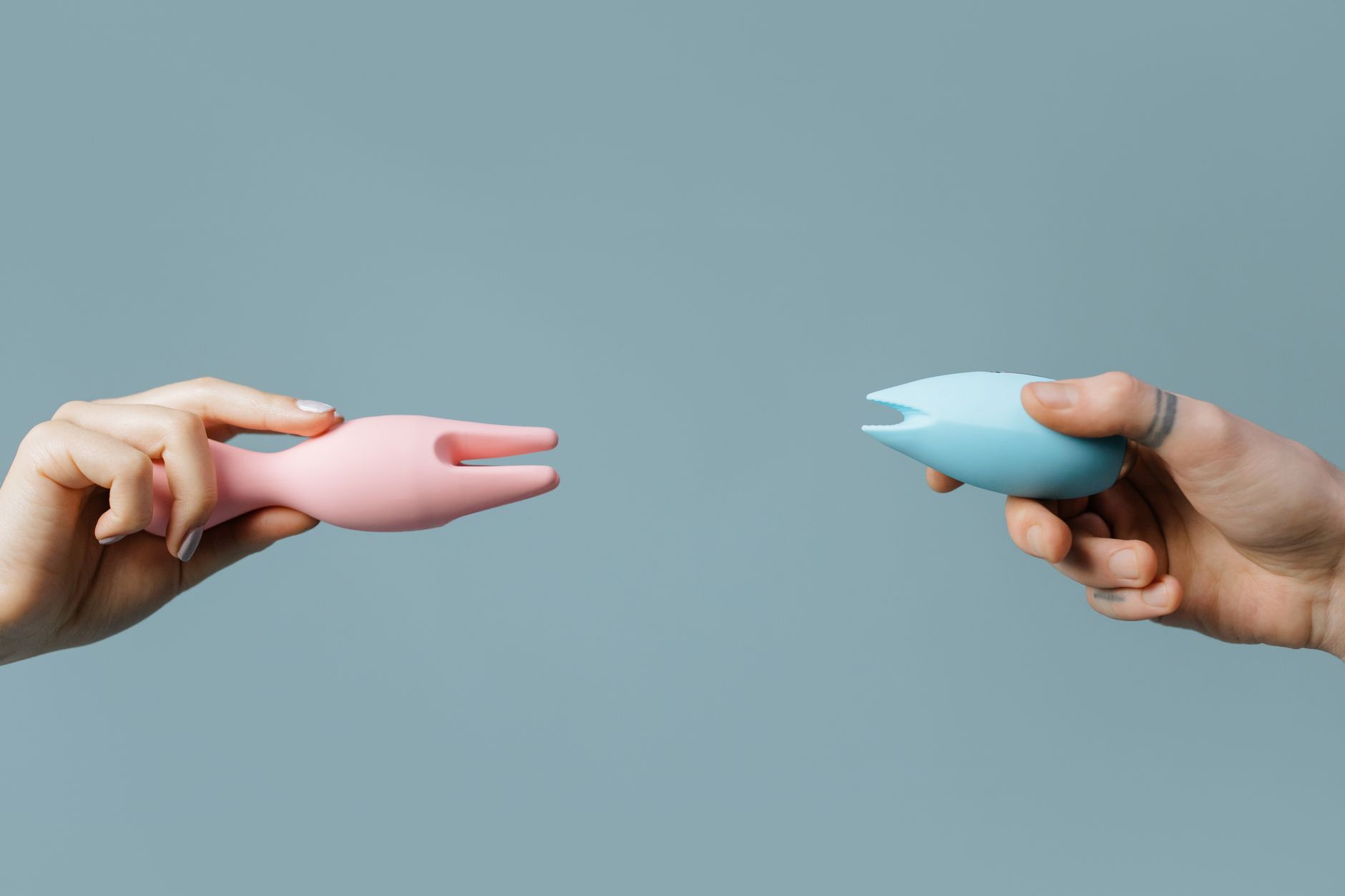
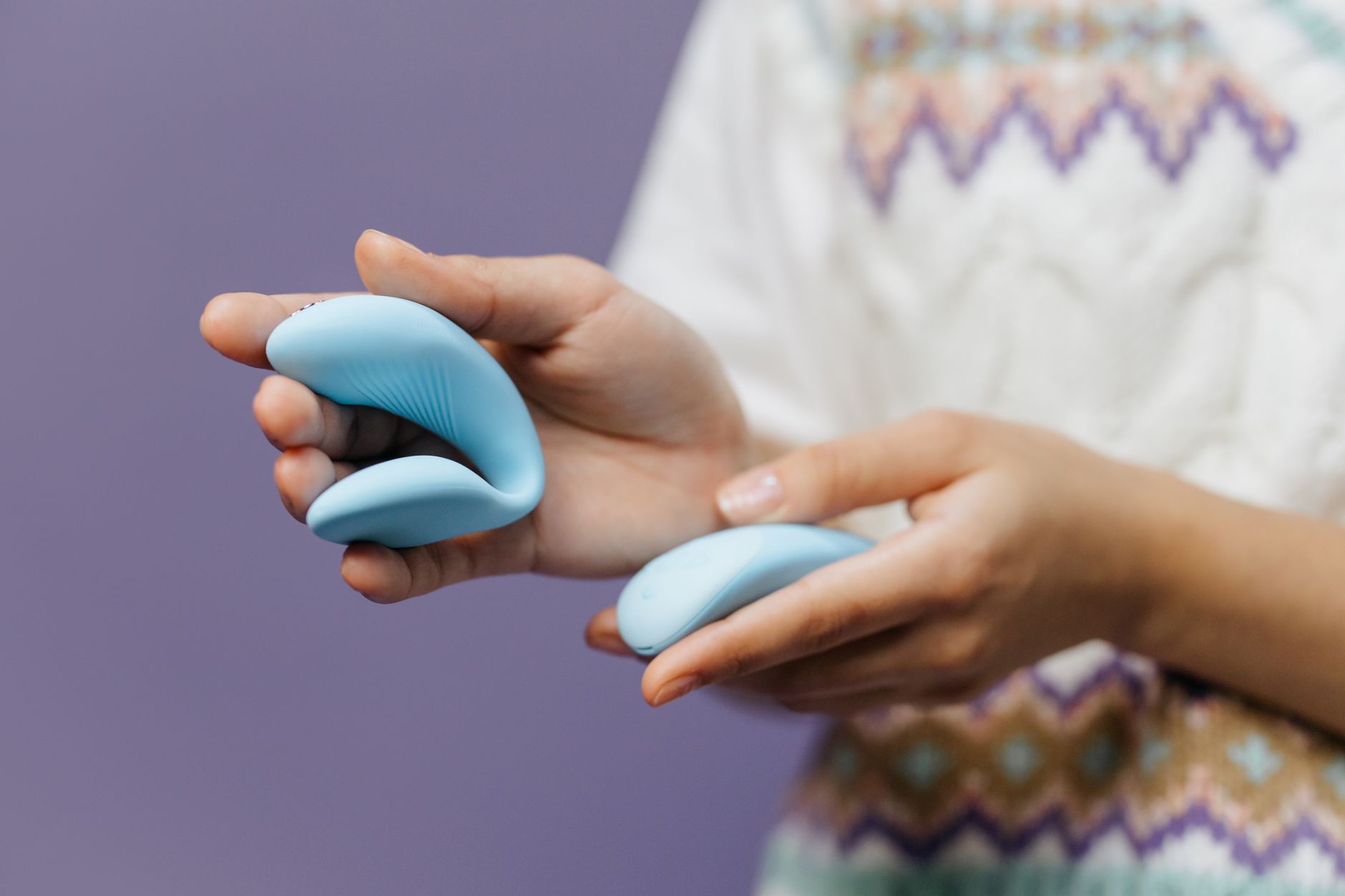
How to Use a Lemon Vibrator When Pleasure Returns After Depression
Depression steals sensation. When it finally lifts, your body feels like a borrowed thing. Here's how to claim pleasure again, piece by piece, with tools that meet you where you are.
Let's be real. When depression lifts, your body doesn't suddenly feel like "yours" again. Pleasure doesn't switch back on like a light. It creeps back in unevenly.some days it's there, flickering. Other days it vanishes entirely. This isn't weakness or backsliding. It's how nervous systems actually heal.
Depression doesn't just dull desire. It flattens the neural pathways that carry sensation. Your clitoris is still there. The nerves are still there. But the signal between them and your brain went quiet for months. Reawakening that connection takes patience, permission, and often, the right tool.
Here's what I want you to know first: your pleasure coming back doesn't follow your timeline. It follows your nervous system's timeline. And that's completely okay.
It's not in your head, and it's not laziness. Depression is a neurochemical event. Serotonin, dopamine, oxytocin. The neurotransmitters that light up pleasure get stuck behind a wall you can't see. Your brain literally processes reward differently. Sex feels less rewarding, less possible, less like something your body even wants.
Some antidepressants make this worse. SSRIs especially can blunt orgasm and arousal even as your mood lifts. You might feel mentally better while still feeling numb down there. That's not failure. That's a medication side effect worth discussing with your prescriber.
The good news: when depression eases and your nervous system begins to settle, pleasure can return. Not instantly. Not dramatically. But steadily, if you're patient and intentional about it.
Your nervous system right now needs consistency and predictability. It's been through trauma, even if that trauma is invisible. A device like the Lemon offers something your hand can't: steady, reliable stimulation that doesn't require you to perform or push.
Lemon clitoral vibrators use gentle suction patterns that don't demand intensity from your body. You're not chasing sensation. You're meeting sensation where it already is. The pressure is steady. The rhythm is even. Your nervous system doesn't have to work hard to find pleasure. It just has to be open to receiving it.
That sounds simple. In practice, that simplicity can be revolutionary for someone rebuilding pleasure after depression.
You're not starting from zero. You're starting from a place of recalibration. Three principles matter most here.
First, lower stakes. Don't set out to have an orgasm. Set out to feel one gentle sensation. If your body is ready, more happens. If it's not, you learned something valuable about where your nervous system is today. Both are wins.
Second, time expansion. If you used to warm up in five minutes, budget twenty. Depression makes arousal slower to build. It's not permanent. But right now, your body may need room to remember how to wake up.
Third, pattern variation. Lemon vibrators have multiple patterns. Use the lowest setting first. Not because you're broken, but because your sensitivity is recalibrating. Pattern one or two gives your nervous system time to recognize the sensation and decide it feels good.
Your nervous system has been stuck in survival mode. Pleasure is not survival. Your body learned to deprioritize it. Rebuilding that pathway takes consistency more than intensity.
Set a routine if it helps. Once a week, or twice, whatever feels non-forced. The routine signals safety to your nervous system. "This is a time we come back to ourselves. This is allowed." Repetition builds the neural pathway faster than sporadic, desperate attempts.
If you have a partner, let them know you're rebuilding. Not "I'm broken and need fixing," but "I'm reconnecting with pleasure on my terms, and I need space to do that solo right now." Many partners get it. Many don't immediately. That's a separate conversation, and an important one.
Here's the moment nobody warns you about: sometimes pleasure comes back wrong. It comes back smaller, quieter, less intense than it used to be. Or it comes back in a different location. Or it comes with unexpected emotions.
This isn't backward. This is your nervous system telling you something new. Sometimes pleasure in recovery looks like a soft warmth instead of an explosion. Sometimes it's three minutes of calm instead of twenty minutes of intensity. Your job is not to judge it or push it toward what it used to be. Your job is to notice it and say thank you.
Use your Lemon clitoral vibrator in this spirit. You're not chasing the orgasm you remember. You're discovering the orgasm available to you today. That's not settling. That's honoring where your body actually is.
Depression often leaves behind anxiety. Your brain learned to be vigilant during the dark months. When pleasure starts to return, that vigilance can show up as intrusive thoughts. "Is this working?" "Am I taking too long?" "Should I be feeling more?" "What if I can't come back all the way?"
These thoughts are not truth. They're the ghost of depression, still whispering. The antidote is boredom. Keep stimulating. Keep breathing. Let your mind wander. Some of the best reconnection happens when you stop watching yourself and just let sensation happen.
If anxiety is severe, consider working with a therapist who knows both depression and sexuality. Some specialize in sexual recovery specifically. That's not overdoing it. That's using the right tool for the job.
Full pleasure restoration takes months, usually. Not weeks. When people tell you their pleasure snapped back overnight, they're either not being honest or they're not returning from deep depression. The deep kind changes your nervous system. Recalibration is measured in seasons, not weeks.
Month one: you might feel little flickers. Maybe surprise yourself one day.
Month two to four: patterns start emerging. You learn when you're most receptive. You discover what patterns on your Lemon actually feel good versus what you thought should feel good.
Month four onward: pleasure becomes something you expect again, not something you're testing. Orgasm becomes possible again, then regular, then textured and variable.
That's not a rule. It's a map. Your map might look different. The shape is usually similar.
If your antidepressant is blunting pleasure even as your mood improves, talk to your prescriber about switching. Bupropion, for instance, often preserves sexual function better than SSRIs. So do some of the newer agents. Don't stop your medication. But do say clearly: "My pleasure is not returning. I want to explore options."
If you're on multiple medications, ask about interactions. Some blood pressure meds, some antihistamines, some hormonal contraceptives can layer on dulling effects. You might be dealing with multiple sources of numbness and not realize it.
There's also testosterone to consider. Depression can lower testosterone even in people who produce it. When pleasure is slow to return, a hormone check might be worth doing.
You're not using your vibrator just to chase orgasm. You're using it as a signal to your nervous system: "We're safe. We're allowed to feel good. Pleasure is available."
That reframing changes how you approach it. You're not performing. You're healing. That shifts everything. Less pressure. More openness. Your body can actually relax into sensation instead of bracing for disappointment.
Start with the suction on the lowest setting. The Lemon's gentle approach is exactly what your recalibrating nervous system needs. You're not trying to overwhelm sensation back into your body. You're inviting it back, slowly, with patience. That's the real work. That's the real healing.
There's no hard rule. Some people need a week. Others need two months. The marker is not calendar days but mood stability. When your depression feels consistently managed for at least three to four weeks, your nervous system is solid enough to explore. Before that, pleasure can return too, but it might feel chaotic or overwhelming. Let the other parts of recovery settle first.
Not if you approach it as exploration, not performance. The danger zone is using it to punish yourself ("I should be able to feel this") or to test whether you're "fixed" yet. Those mindsets pile shame on top of pleasure. If you use it gently, without expectation, it's just sensation. Sensation can't hurt you.
Then your nervous system might still be healing. Some people take longer. Some antidepressants genuinely suppress pleasure for years. Some people benefit from adding a second medication or switching. Talk to your prescriber. Also: sensation sometimes returns in stages. You might feel pressure before you feel pleasure. That's still progress.
Completely normal. Pleasure opens you up. Depression closes you down. When you open again, all kinds of feelings can move through. Some people cry during orgasm for the first time in their recovery. That's not backward. That's your nervous system releasing what it held.
Yes. One doesn't cure the other. The fact that pleasure is returning is a sign your nervous system is healing. But depression can always return, especially if you stop managing it. Keep your support system in place. Keep your therapy appointment. Keep your medication if that's part of your plan. Pleasure is a sign of health, not a substitute for ongoing care.
That depends on your relationship. If you live together or have a partner you're intimate with, yes. They don't need details. They need to know you're rebuilding. Something simple: "I'm working on reconnecting with my body. I might need some space and patience." That sets the frame. It's about recovery, not rejection.
Depression told you pleasure wasn't possible. That was the lie. It was never true. Pleasure was just temporarily inaccessible. The path back is usually slower than you want it to be. It's also usually much more achievable than you believe.
Your Lemon vibrator is just a tool. The real work is in your nervous system's permission to feel good again. That permission is not frivolous. It's radical. It's essential.
Your pleasure matters. Not as proof that you're healed. Not as a measure of how well your medication works. But as a fundamental piece of being alive. Welcome it back with patience. Your body will remember how to receive it.
If you're struggling with this alone, don't. Reach out to us. We talk about this every day, and we're here to listen.