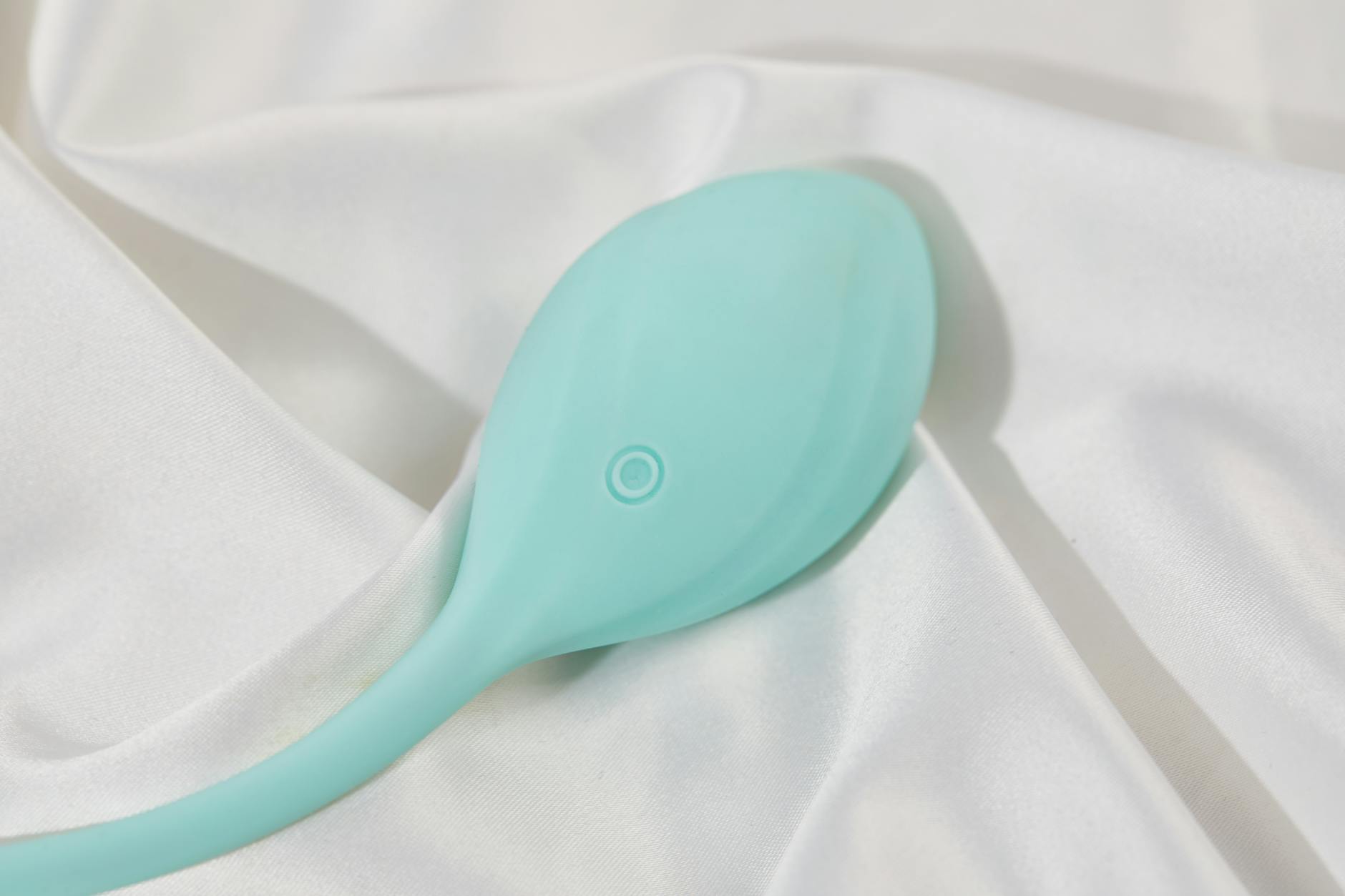
How to Use Lemon Vibrators for Better Sleep and Relaxation
Your nervous system doesn't know the difference between pleasure and calm. Here's why lemon clitoral vibrators are becoming a secret sleep tool, and how to use them effectively.
Let's be real. Most of us are wired for sleep deprivation. Work stress, relationship tension, scrolling at midnight, the low hum of anxiety that never quite switches off. We try everything: magnesium, meditation apps, weighted blankets, melatonin at 9 p.m. Some of it helps. Most of it feels like a band-aid on a system that's fundamentally stuck in fight-or-flight mode.
Here's the part nobody talks about: your body knows how to downshift. You've felt it before. That moment after an orgasm when your whole system just softens, your breathing slows, your mind goes quiet. That's not coincidence. That's your parasympathetic nervous system kicking in, doing exactly what sleep needs it to do.
Lemon vibrators, especially the suction-based kind like those from Hello Nancy, are surprisingly effective at triggering that shift. Not because they're magical, but because they're efficient at what your body is already designed to do. This isn't about having an orgasm right before bed (though that can help too). It's about using targeted stimulation to release the physical tension that's been sabotaging your sleep for months.
When you stimulate the clitoris, a few things happen in sequence. First, blood flow increases to the area. Your heart rate picks up. Breathing gets faster. On the surface, this looks like arousal, which sounds like the opposite of what you need before sleep.
But then something shifts. Once you reach a certain threshold of stimulation, your brain releases a cascade of neurochemicals: endorphins, oxytocin, dopamine. These aren't just feel-good chemicals. They're also powerful nervous system regulators. Oxytocin specifically tells your amygdala (the fear center of your brain) to quiet down. Your parasympathetic nervous system wakes up. Your body temperature drops slightly. Your muscles release their held tension.
This is why so many people sleep better after sex. And it's also why a lemon vibrator used intentionally, 30 to 45 minutes before bed, can be more effective than another sleep supplement.
The key is understanding that you don't need to chase an orgasm. You need to activate the system, then let it settle. Lemon clitoral vibrators are perfect for this because they're precise, hands-free, and adjustable. You can dial in exactly the right amount of stimulation without overthinking it.
Most people think of vibrators as, well, vibrating. Back and forth, consistent speed. Lemon vibrators work differently. They use air-suction technology, which creates a gentle pulling sensation rather than pure vibration. This stimulates a larger area of nerve endings at once, which means your nervous system has to pay attention differently.
With traditional vibration, you might feel a sharp, focused sensation. With suction, it's more like a wave. Your body reads this as a gentler signal, one that doesn't trigger the same spike-and-crash of conventional vibrators. You get the neurochemical release without the overstimulation.
This matters for sleep specifically. Overstimulation before bed can actually keep you wired. Your heart rate and cortisol spike, then take an hour to come back down. Suction-based technology creates a smoother curve. Arousal rises gently, peaks, and then your body naturally transitions into a calm, parasympathetic-dominant state. This is exactly the condition you want to be in when you're trying to sleep.
The second advantage is that suction doesn't require the same pressure as traditional vibrators. If you're tense (which most sleep-deprived people are), direct pressure can feel jarring. Suction invites your tissue to respond rather than demanding it. Your pelvic floor releases more easily. Your whole body relaxes faster.
Here's how I recommend most of my clients use a lemon vibrator for sleep:
Timing. Use it 30 to 50 minutes before your target sleep time. This gives your nervous system enough time to downshift but not so much time that your brain wakes back up with thoughts about tomorrow's schedule.
Setting. Dim lighting, comfortable temperature, lying down or semi-reclined. You're not trying to impress anyone. You're trying to signal to your body that it's time to rest. A lemon vibrator feels good in the dark, and the lack of visual stimulation helps keep your mind from spinning.
Pattern. Start with the lowest intensity setting. If you're using a Hello Nancy lemon vibrator, begin on pattern 1 or 2. The goal isn't intensity. It's consistency and responsiveness. Let your body settle into the sensation for five to ten minutes before adjusting.
Duration. Ten to 20 minutes total. This is long enough to activate the parasympathetic response but short enough that you're not chasing more and more intensity. Some nights you'll feel a clear peak. Other nights it's more like a gentle settling. Both are working. Trust the process.
Transition. When you feel your breathing slow and your muscles relax, you can stop. Or you can keep going if it feels good. There's no wrong way here. The goal is relaxation, not performance. After you're done, put it down and get into bed. Don't scroll. Don't talk. Let your body ride that calm into sleep.
One reason this approach is so effective is that it bypasses a lot of the mental noise that usually keeps people awake. You're not trying to solve a problem. You're not practicing breathing techniques while part of your brain criticizes your technique. You're just responding to a simple physical sensation.
This is especially powerful if you have anxiety or racing thoughts. When your nervous system is activated by something pleasurable, your brain has to pay attention to that signal instead of whatever story it's been telling. You get a natural break from the mental loop.
The second reason is body awareness. Most of us are pretty disconnected from what our bodies are actually feeling, especially during sleep deprivation. Using a lemon vibrator brings you back into your body. You notice your breathing. You feel where you're holding tension. This proprioceptive reset is often what's missing from sleep hygiene advice. You can't relax what you're not aware of.
A few things worth knowing. If you have pelvic pain, sensitivity, or a history of trauma, start even slower than the guidelines above. A lemon vibrator is less intense than many alternatives, but that doesn't mean you should use it aggressively. Check out specific guidance on sensitive bodies before you start.
Also, lube matters. Even if you're not planning to have an orgasm, a small amount of water-based lubricant makes the experience smoother and reduces any friction that might feel jarring rather than calming. Think of it as part of the relaxation ritual, not something necessary only for particular types of stimulation.
If you're in a relationship, you don't have to mention this to your partner unless you want to. But if you do, framing it as a solo sleep and stress-management tool often lands better than bringing it into couple's intimacy conversations. It's allowed to be just yours.
One more thing: if you're on medication that affects arousal (antidepressants, blood pressure meds, hormonal birth control), this approach can still work, but it might take longer to feel the effects. Here's more on using a lemon clitoral vibrator with hormonal birth control if that's relevant to you. Your chemistry might need 15 to 30 minutes instead of five to 10 to shift into parasympathetic mode. Patience matters more than technique here.
What you're really doing by adding this tool to your sleep routine is rebuilding trust with your body. You're practicing being present. You're signaling that your pleasure matters enough to schedule time for it. That might sound small, but it's not. Most of us have internalized the message that self-care is something you squeeze in around productivity, not something worthy of dedicated space.
When you set aside 30 minutes for this, you're telling yourself that your rest matters. Your nervous system hears that message. It starts to believe you actually want it to downshift. That belief changes everything.
Lemon vibrators are just the tool. But they're a particularly good one because they're precise, they work quickly, and they don't require a partner or complicated setup. A Hello Nancy lemon suction vibrator costs less than three months of sleep supplements, and it's actually addressing the root cause instead of masking the symptom.
Yes, but it might take longer to feel the shift. SSRIs and other antidepressants can blunt arousal and sensation, so you may need 20 to 30 minutes instead of 10. The effect is still there. You might also benefit from a slightly higher intensity setting than someone not on medication. There's no shame in adjusting your approach based on your neurochemistry.
A suction-based clitoral vibrator like the Lemon is ideal because it creates a gentler, wave-like sensation that doesn't overstimulate before bed. If you're choosing between Hello Nancy's options, the Lemon is designed for exactly this kind of nuanced stimulation. Intensity matters less than adjustability, so something with multiple settings is your friend.
Technically, yes, but it's not ideal. If you do fall asleep, the vibrator will just stop when the battery dies. The real benefit comes from the transition period where your nervous system is actively settling. You want to stay conscious for at least part of it so your brain can register the shift into calm. If you're exhausted enough to fall asleep instantly, you might need more than one tool addressing your sleep.
Some people feel a difference the first night. Others take three to five nights of consistent use before they notice they're sleeping deeper or waking less during the night. Your nervous system's responsiveness depends on how dysregulated it currently is. The more chronically stressed you've been, the longer the rewiring might take. Stick with it for at least two weeks before deciding if it's working.
Yes. Anxiety insomnia is often rooted in an overactive nervous system that needs a specific signal to downshift. Pleasure and relaxation activate that signal faster than most other interventions. A lemon clitoral vibrator is particularly effective because the sensation is concrete and present, which interrupts the thought spirals that fuel anxiety-based sleeplessness. Your brain can't ruminate about tomorrow's meeting while it's processing a novel physical sensation.
Completely. During the day, you might chase intensity, orgasm, or specific sensations. For sleep, you're going for a gentler activation and a smoother descent into calm. Intensity and goal-oriented pleasure actually work against sleep. You're using the same tool, but with a different intention and timeline. Both are valid. Just know the difference so you can adjust your approach accordingly.
You've probably tried everything to sleep better. What you might not have tried is actually listening to what your nervous system needs. A lemon vibrator, used intentionally 30 to 50 minutes before bed, gives your parasympathetic system exactly what it's asking for: a safe signal to downshift, a break from thinking, and a reminder that your body knows how to rest.
It's not a replacement for sleep hygiene, consistent bedtime, or addressing deeper sleep disorders. But as one more tool in your toolkit? It's surprisingly powerful. Your body already knows how to relax. Sometimes it just needs the right reminder.
Ready to try this for yourself? Start with the lowest intensity, give it two weeks, and pay attention to how your sleep actually feels. Most of my clients report deeper sleep, fewer middle-of-the-night wake-ups, and a general sense of being more present in their bodies. You might too. And honestly, even if the sleep improvement is modest, the 20 minutes of intentional calm is worth it on its own.
If you have questions about whether this approach is right for your specific situation, reach out at /contact. I'm here to help.