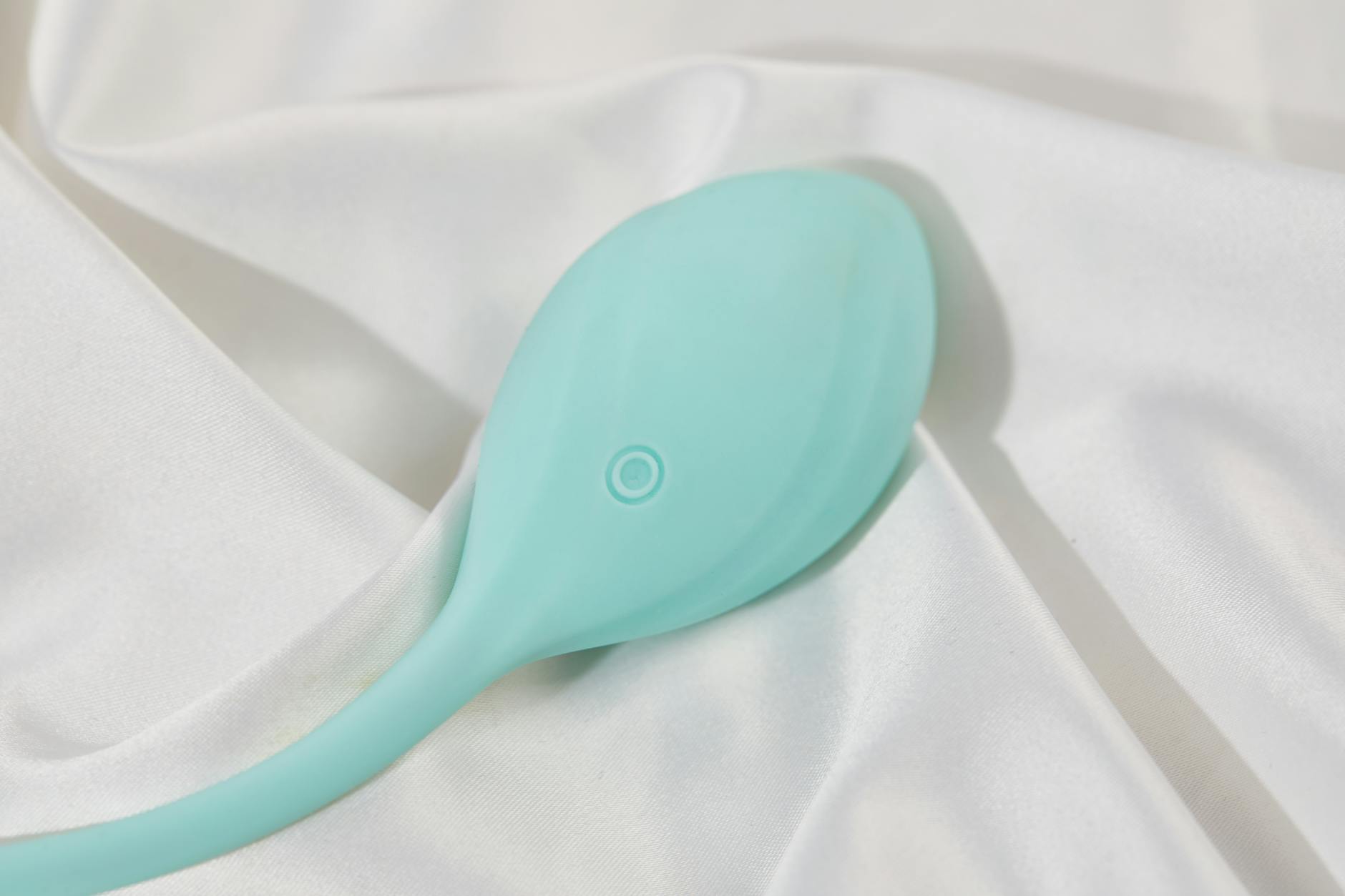
How to Use Lemon Vibrators for the First Time Over 50
Your body has changed since your twenties, and that's exactly why lemon clitoral vibrators often work better now. Here's the honest guide to starting safely and finding what actually feels good.
Maybe you've never used a vibrator. Maybe you haven't used one in decades and your body feels unfamiliar now. Maybe you're curious but embarrassed, or you've tried one and it was uncomfortable or overwhelming. Whatever brought you here, know this: you're not behind. You're exactly on time.
The thing nobody tells you is that your body after 50 isn't worse at pleasure. It's different. And different often means better. Lemon vibrators, especially suction-based clitoral vibrators like the ones Hello Nancy makes, are designed to work with the way your tissues actually are now, not the way they were three decades ago.
Tissue thins. Lubrication decreases. The clitoris sits slightly differently because pelvic floor support shifts. And here's the part that matters: direct friction, which felt amazing at 25, can feel sharp or uncomfortable now.
That's not failure. That's information. It tells you that suction-based toys work differently on your body than traditional vibrators do. Suction stimulates the clitoral nerves from a lighter touch. No grinding. No pressure that makes you wince. Just gentle stimulation that builds steadily.
When you're over 50 and picking up a lemon clitoral vibrator for the first time, that design difference is huge.
Three reasons suction toys like the Lemon are the right entry point:
Air-pulse technology mimics natural sensation. Instead of buzzing directly on tissue, lemon vibrators create a gentle seal and pulse air. It feels like a mouth on your clitoris, which your nervous system recognizes as safe and arousing without the shock of direct vibration.
Lower intensity at the start. Most lemon vibrators start at pattern one, which is barely perceptible. You control the pace. If you're nervous, you stay at level one until your body relaxes. Anxiety kills arousal at any age, and especially after 50.
Gentler on thinner tissue. After menopause, the vulvar skin is more delicate. A lemon clitoral vibrator doesn't require lube the way friction-based vibrators do, though lube helps. The suction action itself is the lubricant.
Honestly, most of what makes this work is the mental setup, not the mechanics.
Step one: kill the performance pressure. This is for you. Not for a partner. Not to "prove" you still work sexually. You're exploring. That's it. Give yourself permission to spend 20 minutes and get nothing but the information that you don't like something. That's a win.
Step two: charge it fully and clean it. Most lemon adult toys charge via USB. Give it a full charge. Wash it with warm water and a tiny bit of unscented soap. Dry it completely. This takes five minutes and removes the "is this sanitary" anxiety that keeps people from relaxing.
Step three: get comfortable. Bed, couch, chair you trust. Blanket. Water nearby. Phone on silent. No one's home or they know not to interrupt. Spend however long you need here. This part isn't wasted time. Your nervous system knowing it's safe is the entire foundation.
Step four: add lubrication. Even though suction toys don't require it, a water-based lubricant makes the experience smoother and more comfortable after 50. It's not cheating. It's adjustment. Put a dime-sized drop on the toy and your vulva.
Step five: turn it on at the lowest setting. Press the button. It's probably quieter than you expected. Hold it against your clitoris at a slight angle, not pressed directly on. You're looking for sensation, not pressure.
Step six: don't do anything. Let your body respond. Your clitoris will fill with blood. Arousal will build. This takes 5-10 minutes usually. Patience here matters more than intensity.
Step seven: adjust the pattern or intensity only if you want more. You don't have to. Lots of people finish at level one. That's completely normal and fine.
Sensation at 50+ is different. Here's what's expected and what's not:
Expected: building sensation without immediate urgency. You're used to faster arousal from decades ago. This takes longer. That's not dysfunction. That's biology. The reward is usually more intense once you get there.
Expected: the sensation to feel subtle or concentrated rather than full-body. Your orgasm might be more localized now. Many people find it actually feels stronger in the moment, just in a tighter area. Both are genuine.
Not expected: sharp pain, burning, or numbness. If you feel those, stop. Wash up. Try again in a few days with more lubrication. If it keeps happening, talk to your doctor. Genitourinary syndrome of menopause is treatable.
Not expected: immediate orgasm. Most people don't finish their first time. You're learning a new tool and a new version of your body at the same time. First session is usually about discovery, not climax.
After 50, pleasure often gets tangled up with thoughts. "Am I taking too long?" "Is this weird?" "Will I look foolish?" "Can I even still do this?"
Those thoughts kill arousal faster than anything physical can.
Here's what I've learned from decades of working with couples over 50: the people who find the most pleasure aren't the ones with the "right" body. They're the ones who decided pleasure matters and gave themselves permission to be learners. You are not supposed to already know this. You are supposed to be curious and patient with yourself.
If you're partnered, you don't have to involve them in your first exploration. Sometimes finding your own baseline alone makes partnered pleasure easier later because you know what actually feels good to you, not what you think should feel good.
After use, rinse it under warm water. You can use a tiny drop of unscented soap. Dry it completely with a soft cloth. Store it somewhere cool and dry. Not the bathroom (humidity damages electronics). A nightstand drawer is fine. A silk bag if you want it protected.
This routine takes two minutes and removes any grossness anxiety so you actually want to use it again.
Wait at least three days. Your vulvar tissue is sensitive after 50, and your nervous system needs time to integrate a new sensation. Second session usually feels better because your body recognizes it's safe and cooperates faster.
Can I hurt myself with a lemon vibrator if I use it wrong? Unlikely. Worst case is you experience discomfort and stop. There's no "too sensitive" or "broken" after 50. Your body is just telling you what it likes. Adjust and try again.
Do I need a partner to use a vibrator? No. Many people over 50 use vibrators solo. That's the most common use case, honestly.
Will using a vibrator change my ability to orgasm with a partner? No. Using a vibrator with a partner is also fine. Many couples over 50 find it improves their sex life because the person with the vulva gets the stimulation they actually need, which makes partnered sex more enjoyable for everyone.
How long does an orgasm from a lemon vibrator last? Variable. Could be 5 seconds, could be 30. Could be multiple waves. All normal. Your body decides.
Is it normal to not finish on the first try? Completely normal. Maybe 30% of people orgasm on their first session with a new toy. That doesn't mean it won't work later. Your body needs time to learn.
What if it doesn't feel like anything at first? Wait a few minutes. Sometimes arousal takes 10-15 minutes to build, especially the first time. If you still feel nothing after 20 minutes, that's fine too. Your clitoris might need different stimulation. Some people prefer the broad stimulation of a wand vibrator. Some prefer the intensity of a different toy. This is data, not failure.
Using a lemon clitoral vibrator for the first time after 50 is not about proving anything to anyone. It's about deciding that your pleasure matters and that you deserve to feel good in your body right now, exactly as it is. The nervous system doesn't age the way we think it does. Your capacity for sensation and orgasm is still there. Sometimes it just needs a different tool and a lot more patience.
If you have questions or want more specific guidance about what to try next, we're here. Reach out at /contact.