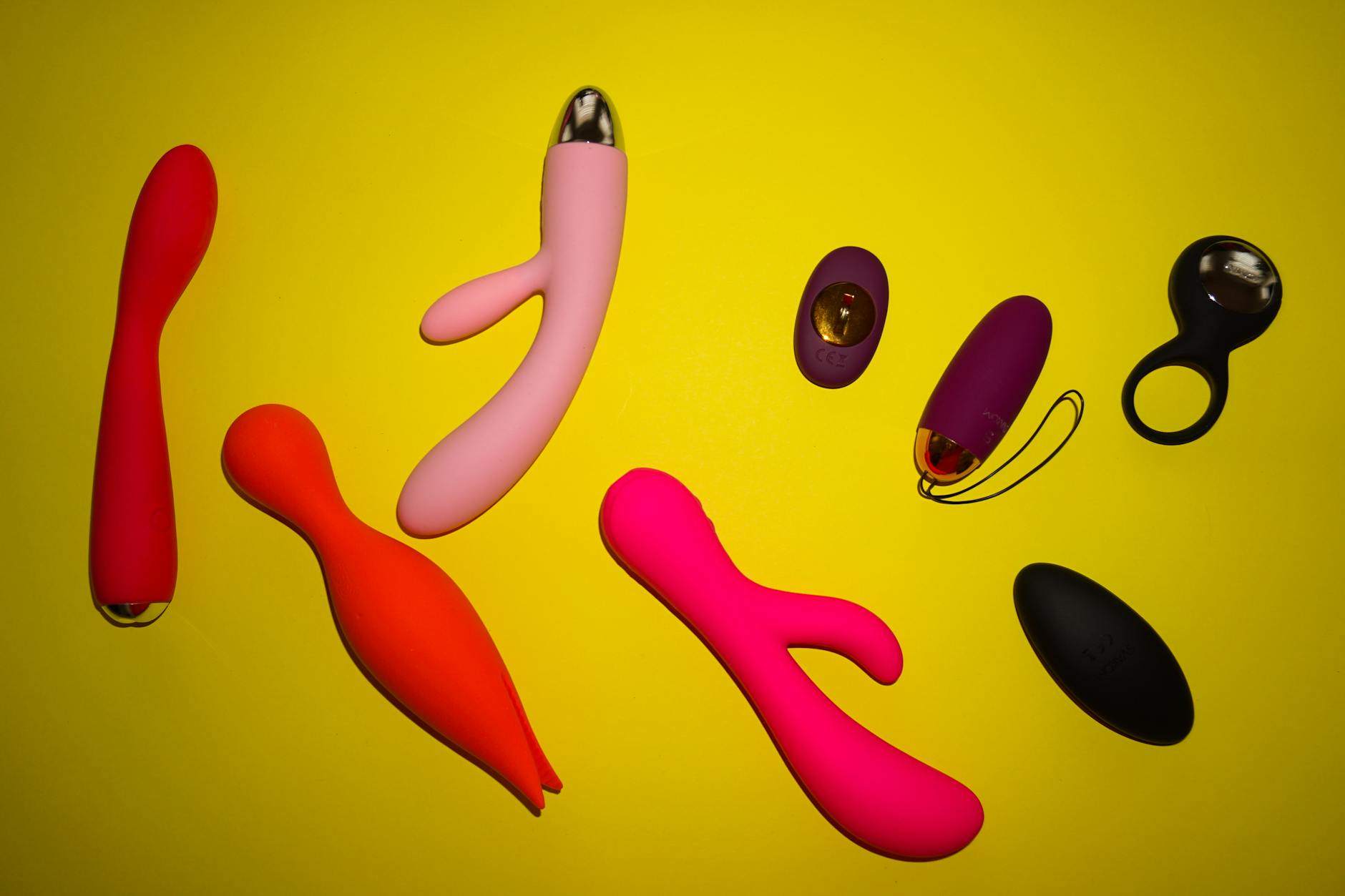
How to Use Lemon Vibrators When Anxiety Makes Intimacy Feel Impossible
Anxiety doesn't just kill the mood. It hijacks your nervous system, tightens your pelvic floor, and makes arousal feel impossible. Here's how lemon clitoral vibrators can help you break the cycle.
Anxiety doesn't just make you feel worried. It literally changes your body's ability to experience pleasure. When your nervous system is stuck in fight-or-flight mode, blood flow redirects away from your genitals and toward your muscles. Your pelvic floor tightens. Arousal becomes nearly impossible. And the more you focus on the fact that nothing's happening, the worse it gets.
This isn't a personal failure. This is physiology.
Here's what makes lemon vibrators different: they work with an anxious nervous system rather than demanding it relax first. That's the crucial distinction.
Your clitoral tissue is densely packed with nerve endings, but it's also exquisitely sensitive to stress hormones. Cortisol and adrenaline constrict blood vessels. Norepinephrine (the neurochemical behind anxiety) actively suppresses arousal signals. You're not broken. Your body is doing exactly what evolution designed it to do: prioritize survival over pleasure.
Traditional vibrators often require sustained mental focus and a baseline level of relaxation to work. Lemon clitoral vibrators use air-pulse suction instead of the direct vibration that dominates most toys. This matters enormously when anxiety is in the picture.
Suction stimulates nerves without the same intensity of friction. It's gentler on an already-tense pelvic floor. And because it creates a rhythm your body can anticipate, it actually helps regulate your nervous system instead of overstimulating it further.
When you use a lemon vibrator, the rhythmic suction creates what's called a "predictable sensory input." Your nervous system relaxes slightly because the input isn't chaotic or surprising. That tiny bit of regulation allows arousal to begin. Arousal then reinforces nervous system calm. It's a positive feedback loop instead of a downward spiral.
I see this in my practice repeatedly. Clients who've spent years saying "sex just doesn't work for me anymore" will try a lemon clitoral vibrator and experience a genuine breakthrough. Not because they're suddenly less anxious (therapy, medication, and lifestyle changes handle that). But because the tool itself creates the physiological conditions where arousal becomes possible.
If you're using lemon vibrators while managing significant anxiety, set up matters more than usual.
Create environmental safety first. Lock the door. Your phone on silent. Lighting soft. Temperature comfortable. Your nervous system needs to know there are zero threats before pleasure can emerge. This isn't indulgent. It's neurobiology.
Start without pressure for arousal. The first few times, don't expect an orgasm. Your job is simply to notice sensation. Set a timer for 10 minutes. Use the lemon vibrator on the lowest setting. Your nervous system is learning that this is safe. Arousal follows.
Combine with breathwork. This is the secret weapon I recommend to every anxious client. Deep belly breathing (inhale for four, hold for four, exhale for six) activates your parasympathetic nervous system. When you combine this with the rhythm of a lemon vibrator, you're using your breath to override anxiety signals. Start with five minutes of breathing before you begin.
Anxiety tightens your pelvic floor and reduces natural lubrication. This creates tension that can actually feel painful when you add stimulation. Water-based lubricant isn't just practical. It signals to your body that this is safe and pleasurable.
Apply it generously. More than you think you need. When your nervous system is dysregulated, the gentle glide of extra lube actually helps calm the tissue. It's like the tactile equivalent of your nervous system taking a breath.
Avoid silicone-based lubes if you're using lemon vibrators, as they can damage the device's silicone. Stick with water-based formulas specifically.
Many people with anxiety prefer solo exploration first. This isn't selfish or a sign of relationship problems. It's smart. When you're alone, there's one less variable. No performance pressure. No worry about your partner's experience. Your nervous system can fully relax.
Once you've had successful solo experiences with a lemon vibrator, partnered exploration becomes possible. You already know your body responds. That knowledge reduces anxiety.
If you're exploring with a partner from the start, communicate explicitly. "I'm going to use this toy to help my nervous system relax. This isn't about performance. Just being present helps." That removes the pressure for your partner to "fix" anything or judge what's happening.
A lemon clitoral vibrator works beautifully alongside therapy and medication. It's not a substitute for either, but it complements them. If you're on SSRIs or anti-anxiety medication, you might find that numbness dulls sensation. A lemon sucker's suction often penetrates that numbness more effectively than traditional vibration.
Similarly, if you're doing somatic therapy or nervous system work, using a lemon vibrator between sessions extends that regulatory benefit. You're continuing to teach your nervous system that pleasure is safe.
Here's what I tell anxious clients: give yourself at least four to six solo sessions before you expect a noticeable shift. Your nervous system needs time to update its threat assessment. The first few sessions are about safety and learning. Arousal and orgasm come later.
This actually works in your favor. It removes performance pressure. You're not trying to come. You're trying to feel safe. That's infinitely easier to achieve.
Most people find that between weeks three and six, something shifts. Arousal becomes less effortful. Sensations intensify. The lemon vibrator that felt "nice but mild" in week one starts triggering genuinely strong responses. That's your nervous system finally believing it's safe to let pleasure happen.
Absolutely. Medication helps regulate your baseline anxiety. A lemon clitoral vibrator then helps your body learn that arousal and pleasure are compatible with that regulated state. They work synergistically, not against each other.
Not typically. In fact, the predictable rhythm of suction is usually calming. If you're new to air-pulse toys, start on the lowest setting and work up. Your nervous system will tell you what feels supportive versus overwhelming.
If you're experiencing panic attacks, intrusive thoughts during sex, or trauma responses, work with a trauma-informed therapist first. A lemon vibrator is a brilliant tool for garden-variety anxiety or performance anxiety. It's not a substitute for professional support when deeper issues are present.
Not necessarily every day, but three to four times weekly gives your nervous system enough repetition to learn the new pattern. Consistency matters more than frequency. Three sessions weekly beats sporadic attempts.
Try adjusting your setup: different time of day, different room, different breathing technique, different lube. Anxiety is deeply individual. The issue might not be the vibrator. It might be timing or environment. That said, if after eight to ten sessions nothing shifts, talk to a therapist about what else might be going on.
Yes, often with great results. But start at the absolute lowest intensity. Your pelvic floor is already tense. The gentle suction of a lemon vibrator can actually help it relax without the shock of traditional vibration. Go slower than you'd expect to.
Using a lemon clitoral vibrator when anxiety is present isn't about forcing arousal or "pushing through." It's about giving your nervous system the right conditions to remember that pleasure is possible. You're not fighting your body. You're working with its design.
If anxiety has convinced you that sex is off the table, a lemon vibrator often becomes the bridge back. Not because it's magic, but because it meets your nervous system halfway. That small meeting point is where real change begins.