Hormonal shifts change how your body responds to stimulation. Here's what actually happens, why lemon suction toys work so well now, and how to make pleasure even better than it was before.
Honestly though, most conversations about sex and age frame it like a decline. Your pleasure gets worse. Your body stops cooperating. Desire evaporates. And then life gets smaller. That narrative is wrong, and more importantly, it's boring.
Here's what I see in my practice: plenty of people hit 40 or 45 and realize their best orgasms are happening now. Not despite the hormonal shifts. Sometimes because of them.
Let's be real about the mechanics. Estrogen drops gradually through perimenopause and then more steeply after menopause. Testosterone declines too (everyone with a vulva produces testosterone, and it's crucial for desire and sensation). This changes three things: tissue thickness in the vulva thins slightly, natural lubrication decreases, and the speed of your arousal response slows.
The pelvic floor loses some of its estrogen-dependent elasticity. Orgasms might feel different in intensity or shape. Sometimes they're deeper. Sometimes more localized. Different is not worse.
Here's what does NOT change: your clitoris has the same number of nerve endings. Your brain's capacity for pleasure is unchanged. Your ability to orgasm intensely is still there, often sharper than before.
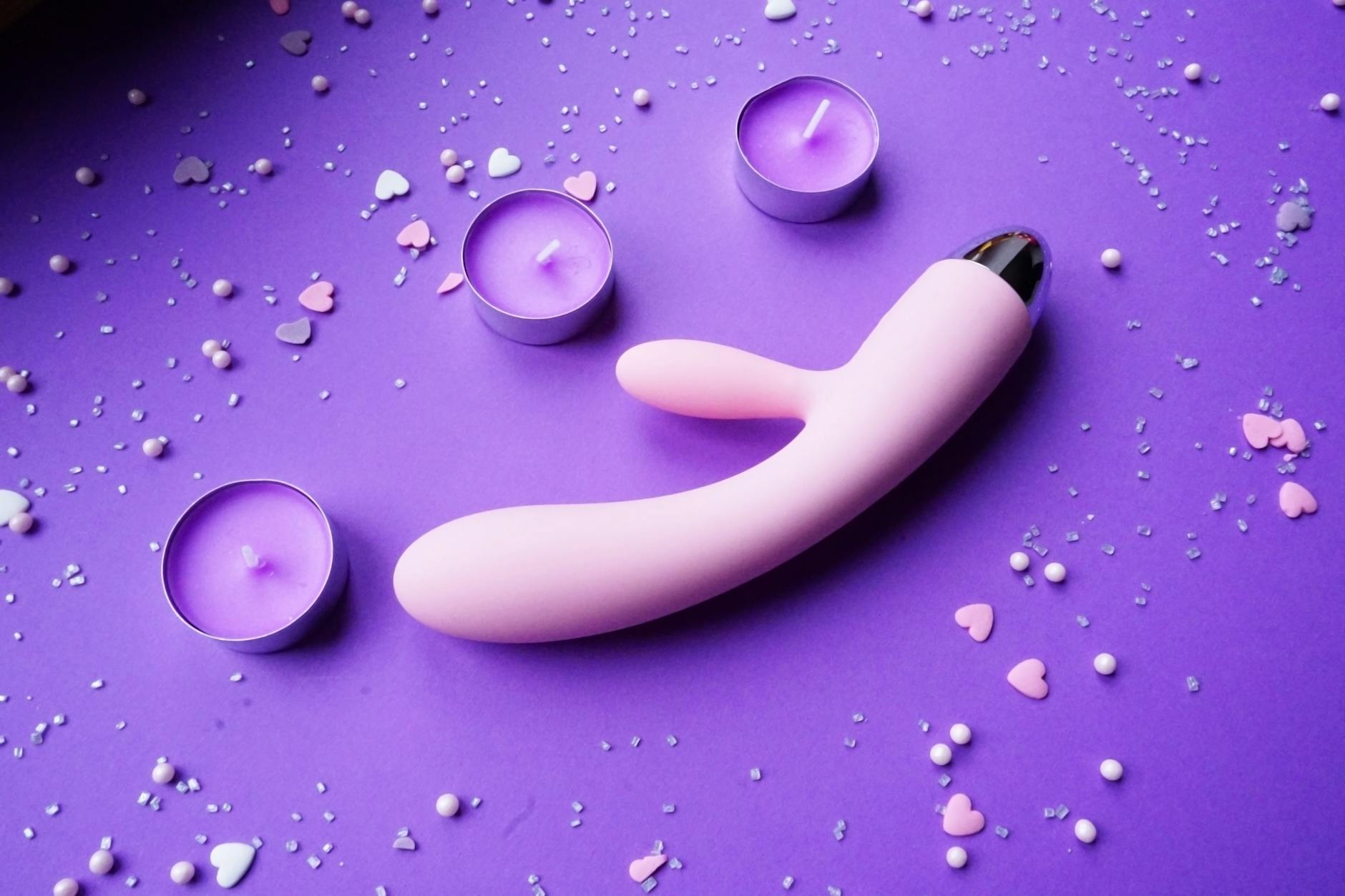
A lemon clitoral vibrator like the Lem uses suction and gentle pulsing rather than direct vibration alone. This matters after 40 because your tissue sensitivity shifts. Direct vibration on thin tissue can feel too intense or even uncomfortable. Suction stimulates the same nerve pathways without that direct mechanical pressure.
Think of it this way: imagine the difference between someone tapping your shoulder hard versus someone gently creating a seal on your skin and then releasing. Both get your attention, but one feels invasive and the other feels precise. A lem vibrator creates that seal. It's why so many people discover clitoral sucking toys in their 40s and wonder why they didn't know about them sooner.
The slow warm-up time that comes with midlife hormonal changes actually pairs well with how suction toys work. They reward patience. Starting at a low pulse pattern and gradually building creates a different kind of arousal trajectory than you might have experienced before. Less spike, more wave.
First: mental clarity. When your cycle stabilizes (or ends), the cognitive load of hormonal fluctuation lifts. For decades, you might have been cycling through hormonal ups and downs, managing fertility concerns, or dealing with period-related pain. That noise goes away. Suddenly you can focus on sensation instead of symptom management.
Second: permission. After 40, particularly post-menopause, the cultural pressure to be performing shrinks. You're less worried about impressing someone. Less focused on whether you're taking too long. That shift in mental space changes everything. When you stop narrating the experience and just have it, pleasure deepens.
Third: better body knowledge. You've had 40 years to figure out what works. You know your body's signals. You're not guessing anymore.
Water-based lubricant becomes a standard. Not because you're broken. Thinner tissue simply benefits from it. A good water-based lube on a lemon suction vibrator is the difference between "that feels okay" and "oh wow." Silicone lubes feel luscious but will damage silicone toys, so water-based is the move.
Arousals takes longer. Budget 20 to 30 minutes instead of 10. That's not a loss. That's time with your own body.
Lower initial intensity works better. Start at pattern 1 or 2 on your clitoral vibrator and build up. Your tissues don't need convincing anymore. They need time.
Pelvic floor awareness shifts in importance. Kegels are still useful, but learning to fully relax your pelvic floor becomes equally critical. Estrogen loss can create tension patterns, and holding that tension blocks sensation. Gentle relaxation techniques, sometimes with a pelvic floor physical therapist, can restore access to pleasure you thought was gone.
Here's the thing I want to say directly: menopause is often bundled with other transitions. Empty nesting. Relationship shifts. Career reinvention. Aging parents. Grief about time passing. The tendency is to blame any shift in pleasure on hormones.
Sometimes it's hormonal. Sometimes it's that you're carrying emotional weight that has nothing to do with your ovaries. The two can look identical on the surface. A partner touches you and you freeze up. You think it's because your body's changed. It might be because you're processing something about the relationship or about yourself.
Separating those conversations is worth doing with honesty. "My body responds differently to touch" is different from "I need us to reconnect." Working on both things, separately, is more effective than collapsing them together.
If sex becomes painful, that's not something to live with. Genitourinary syndrome of menopause (GSM) is treatable. Topical estrogen creams work quickly and most of the hormone stays local. A good menopause-trained doctor can help in a few weeks, not months.
If desire has genuinely vanished and testosterone isn't the culprit, that's worth exploring with a provider who's not dismissive. Low desire in midlife isn't "just what happens." It's worth investigating.
For the pure sensation shift, finding a pelvic floor physical therapist trained in sexual health is gold. They can help you retrain your body's nervous system to access pleasure patterns that feel buried right now.
Maybe this is the part where I'm supposed to be reassuring. But I think you deserve truth instead. Your 40s and beyond are not a lesser version of your 20s. They're a different chapter, one where you know yourself better, where you're less interested in performance, and where your body's signals are clearer.
Your clitoris doesn't age. Your capacity for pleasure doesn't have an expiration date. What changes is the route to that pleasure. A lemon suction vibrator, patience, lube, and honesty about what you actually want right now can open doors you didn't know were there.
Your best sensations might actually be ahead of you.
Not because of age itself, but because suction-based stimulation works beautifully for bodies where tissue sensitivity has shifted. After 40, direct vibration can feel less precise. A lem vibrator's gentle seal and pulsing creates a different sensation profile that many people find more satisfying. They're not age-specific, but they do address sensations that become more common in midlife.
Sensitivity doesn't disappear. It redistributes. The clitoris itself keeps its nerve density, but the surrounding tissue thins, which can make direct pressure feel sharper. Some people experience increased sensitivity, others need different approaches to stimulation. A clitoral vibrator designed for varied pressure patterns helps you explore what feels good now instead of what used to work.
Estrogen and testosterone both contribute to the speed of arousal response. As both decline, your body needs more time to warm up. Blood flow increases more gradually. Lubrication builds more slowly. This isn't dysfunction. It's biology. And it pairs well with toys like the Lem that reward slow, patient exploration rather than quick intensity.
Absolutely. Many people report their most intense orgasms come after menopause. The pathway to them changes. The buildup takes longer. But the actual sensation can be as powerful or more so. Some people describe post-menopausal orgasms as deeper or more full-body. Different shape, same (or greater) intensity.
Water-based lube is the standard for silicone toys. It applies smoothly, doesn't damage the toy, and washes off easily. Apply it to both your body and the vibrator. Reapply as needed during longer sessions. Quality matters. A good water-based lube reduces friction and makes the suction sensation of a lem vibrator feel even better.
Yes. Tissue thinning is common after 40, especially post-menopause. Needing lube isn't a sign something's wrong. It's your body adapting. A slick layer of good lube actually enhances sensation for many people, regardless of age. It's a tool, not a failure.
After 40, pleasure becomes less about performance and more about sensation. Less about speed, more about depth. Less about proving something and more about feeling something. The lemon vibrators that work so well in this chapter reward that shift. They slow you down. They ask you to pay attention. They work with your body's rhythms instead of against them.
If you're noticing that sex feels different now, that's not loss. It's information. Your body's telling you something. Listen to it. Adjust. Explore. The pleasure you find on the other side of that listening is often richer than what came before.