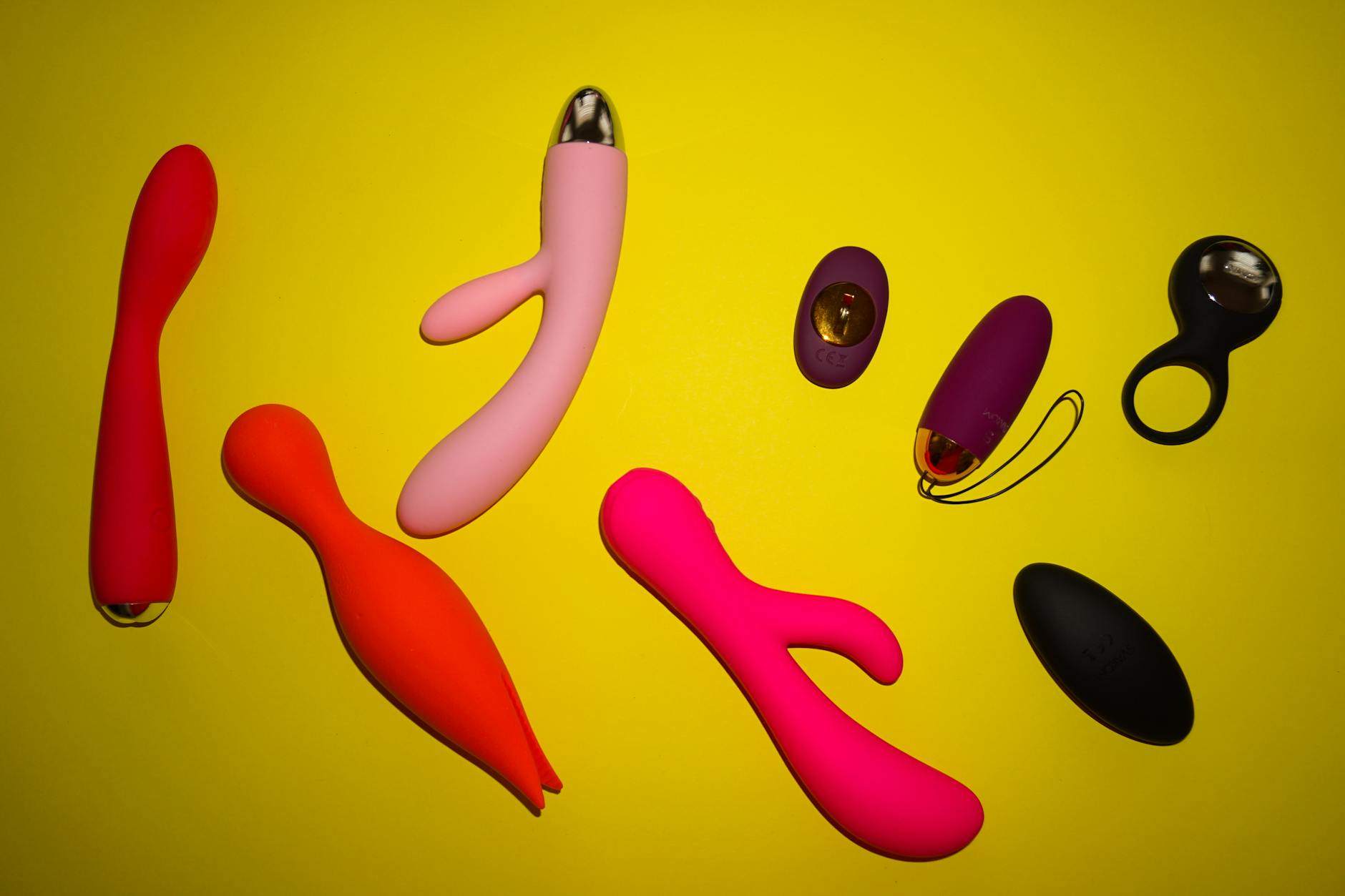
If you've tried both a traditional vibrator and a lemon clitoral vibrator, you know something feels different. The sensation isn't just "stronger" or "weaker." It's actually a different type of stimulation hitting your body in an entirely different way. That's not placebo. That's neurology.
A classic vibrator uses sustained oscillation. The toy moves back and forth (or buzzes) at a set frequency, usually 40 to 100+ Hz. This creates repetitive mechanical pressure and friction across the tissue, which stimulates nerve endings through continuous contact.
This works. Millions of people orgasm with traditional vibrators. The mechanism is straightforward: repetitive pressure triggers a sensory response, and if you stay with it long enough and have the right conditions, you reach climax.
But there's a ceiling. Some people hit a plateau with traditional vibrators. The sensation stops building. Your clitoris can become desensitized to the same frequency after prolonged use. And for people with sensitive tissue, thinner skin, or certain skin conditions, sustained vibration can feel irritating rather than pleasurable.
A lemon vibrator uses pulsed air-suction technology. Instead of vibrating against tissue, it creates gentle waves of suction and release. This simulates what happens during oral sex without the physical contact.
Here's the key difference: suction doesn't work through sustained pressure. It works through intermittent pressure changes that activate a different set of nerve endings. The clitoris has roughly 8,000 nerve endings, but they respond to different types of input. Some fire in response to direct pressure. Others respond to suction, pulling, and gentle negative pressure.
When you use a lemon vibrator, you're accessing nerve pathways that traditional vibrators barely touch.
Think of it like this. A traditional vibrator is knocking on the door. An air-suction lemon vibrator is opening it.
Because you're engaging different neural pathways, the sensation often feels deeper and more concentrated. People frequently report that orgasms with lemon clitoral vibrators feel different in quality, not just quantity. They describe it as more full-body, less localized, sometimes more intense even at lower settings.
There's also the novelty factor, which is real: your nervous system responds more strongly to new types of stimulation. But it's not just novelty. Even after months of use, many people find that a lemon vibrator continues to deliver sensations that traditional vibrators don't.
If you have a sensitive clitoris, a traditional vibrator set to high might feel overwhelming or even painful. The concentrated mechanical pressure can be too much.
A lemon vibrator disperses that pressure differently. The suction is gentler by design because it's not about hammering a specific point. It's about creating a gentle pulse of pressure and release. Many people with sensitive tissues find they can use higher patterns on a lemon vibrator than they would ever use on a traditional vibrator, because the sensation is distributed differently.
This is why people with conditions like vulvodynia or those who've experienced trauma around sexual touch sometimes find lemon vibrators more approachable. The stimulation feels less aggressive even when the device is working hard.
Honestly, the science on air-suction vibrators is still catching up to consumer experience. There haven't been massive clinical trials comparing a lemon vibrator to a traditional vibrator. The technology is relatively new in the consumer market.
But what we know from sexual response research is solid: different types of stimulation activate different neural pathways. Suction-based stimulation mimics oral sex, which research shows activates the brain differently than penetration or external vibration alone. When you're creating that suction sensation, you're tapping into a neurological response pattern that feels instinctively familiar to many bodies.
Some research on oral sex shows that suction-based stimulation produces faster arousal and more intense orgasms in people who enjoy it. A lemon clitoral vibrator replicates that mechanical pattern without a partner.
One reason lemon vibrators win is versatility. You're not locked into one type of stimulation.
You can use a lemon vibrator solo, which is the main point. But you can also combine it with external vibration if you want. Some people use a traditional vibrator on one part of their genitals while using a lemon vibrator on another. You can vary the patterns, switch between settings, and layer sensations in ways that a single-method toy doesn't allow.
This mix-and-match approach keeps your nervous system engaged because nothing becomes monotonous.
If you've struggled with traditional vibrators, here's what might be happening:
Your clitoris might respond more strongly to suction than to direct vibration. This isn't a flaw in your body. It's just how your particular nervous system is wired. Some people are wired for vibration. Others are wired for suction. And many benefit from both, depending on mood, cycle, and what else is happening in their life.
If you have a tighter pelvic floor, lemon vibrators often feel better because they don't require you to press the device firmly against your body. The suction creates sensation at a distance, which means less physical tension.
If you're on certain medications that affect sensation, air-suction stimulation sometimes cuts through in ways that vibration doesn't.
None of this is settled science. It's clinical observation and user experience. But if traditional vibrators have left you cold, a lemon vibrator is genuinely worth trying.
Because lemon vibrators don't rely on sustained friction, they're gentler on your skin. You're less likely to experience irritation from prolonged use. The pulsed suction also means you're getting a break between each pulse, which lets your tissue reset slightly.
This is especially relevant if you're using the device for extended sessions. With a traditional vibrator, fatigue and irritation can set in after 20 or 30 minutes. With a lemon vibrator, many people can go longer without discomfort because the stimulation pattern is fundamentally less abrasive.
Just keep in mind: lube still helps, sensitivity varies, and you should never use a sex toy if your tissue is already irritated or injured. But for routine use, a lemon vibrator is often a lower-friction option than traditional vibrators.
If you're switching from a traditional vibrator to a lemon clitoral vibrator, your first session might feel strange. The sensation is different enough that your body might need a moment to adjust.
Start at pattern one or two. Don't jump straight to high. Give yourself time to feel how your body responds. Some people orgasm faster with a lemon vibrator. Others need time to understand what the sensation is and how to work with it.
Warmup matters more with suction-based devices. Spend extra time on arousal before you introduce the lemon vibrator. Your tissue needs to be engorged and ready, or the suction might feel uncomfortable rather than pleasurable.
If you're partnered, this is a great time to explore together. The learning curve is usually a feature, not a bug. You get to discover something new about your body.
No. The difference between suction and vibration is real and measurable. Different nerve endings respond to different types of pressure. A lemon vibrator activates neural pathways that traditional vibrators don't, which is why the sensation feels fundamentally different for most people.
Absolutely. Some people actually find it easier to orgasm with a lemon vibrator than with traditional vibrators because the sensation feels less intense and more novel. Start low, give yourself time, and don't put pressure on yourself to achieve a specific outcome on your first try.
Maybe. Because suction activates different nerve pathways, it's possible that a lemon vibrator might work when traditional vibrators don't. But if you have significant nerve damage or numbness, you might need to experiment with multiple tools. Talk to your doctor if numbness is a new symptom.
If traditional vibrators have felt ineffective, too intense, or just plain boring, a lemon vibrator is worth trying. If you respond well to oral sex, you'll probably respond well to a lemon vibrator, since the mechanics are similar. And if you want more variety in your pleasure toolkit, adding one to your collection makes sense.
Generally, no. Because the motor doesn't vibrate the entire toy, lemon vibrators tend to be quieter than high-buzz traditional vibrators. The main sound is the motor itself, which is usually a gentle hum.
Yes. You can use a lemon vibrator for solo play, during foreplay, or during partnered sex. The design usually makes it easier to use during partnered activity than larger toys because it's more compact and the suction creates a seal rather than requiring you to hold it in place.
Lemon vibrators aren't a gimmick or a rebrand. They're a different type of stimulation based on a different mechanism. If you've been curious but weren't sure whether they're worth trying, the answer is probably yes, especially if traditional vibrators have felt hit-or-miss.
Your pleasure deserves more than one tool. If a lemon clitoral vibrator can unlock sensations that other toys can't, that's worth exploring. And if you've already found what works with traditional vibrators, adding a lemon vibrator to the mix gives you even more options.
The goal is pleasure. The mechanism matters way less than whether it works for your body. But understanding the difference between suction and vibration helps you make an informed choice about what might feel best. And sometimes, knowing there's a scientific reason why something feels different is half the fun.