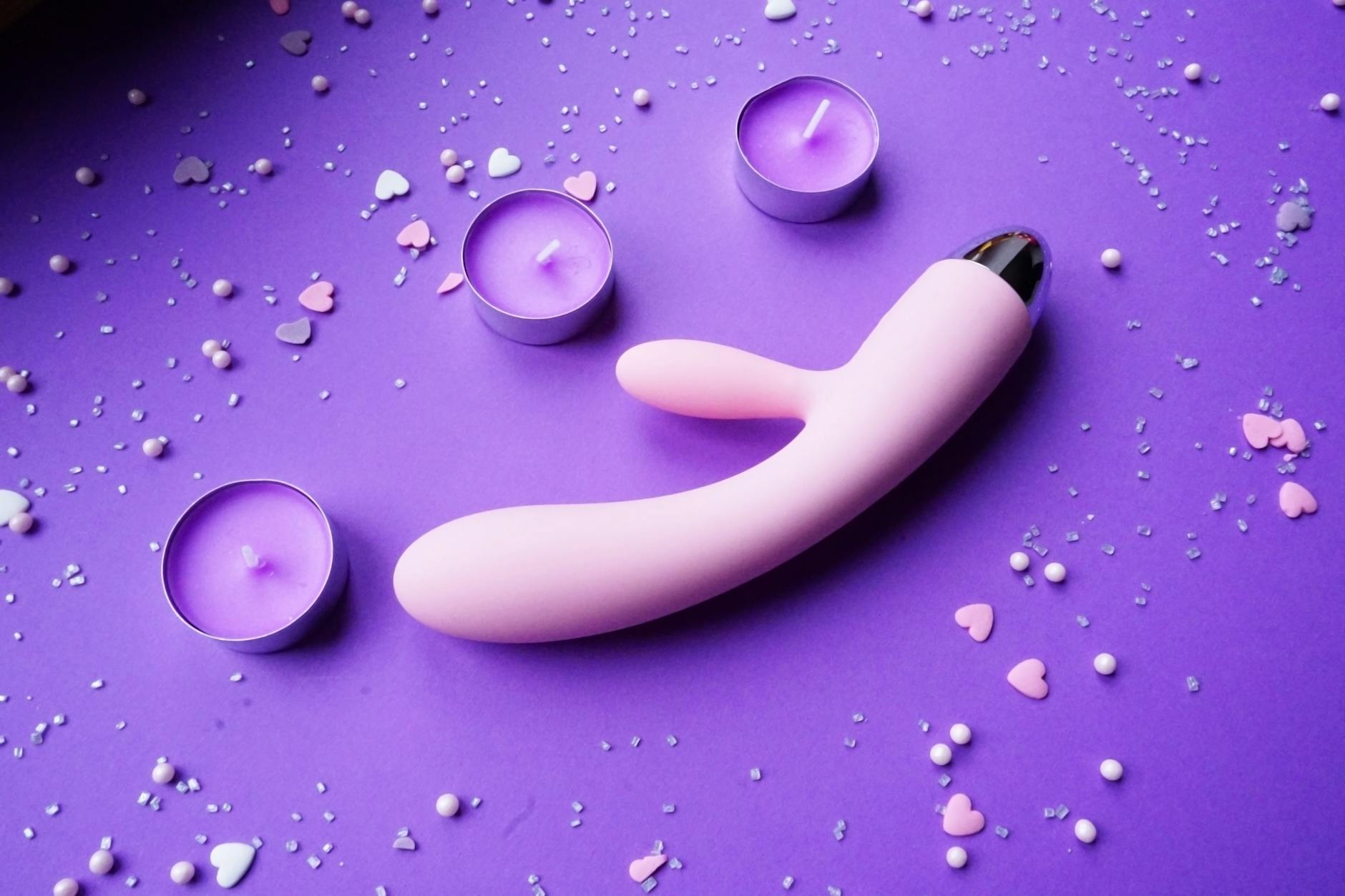
Most people grab a lemon vibrator, turn it on at medium, and wonder why it feels harsh or doesn't work. The intensity setting isn't one-size-fits-all. Your body's sensitivity changes with your cycle, your mood, how long it's been since you last had sex, even what you ate that day. Finding your sweet spot is the difference between "this isn't for me" and "I can't believe I waited this long."
I've worked with hundreds of couples navigating pleasure together, and the single most common mistake is skipping the intensity baseline. People jump to high patterns because they assume stronger equals better. It doesn't. Understanding your lemon clitoral vibrator's range and how your body responds to different settings is genuinely the foundation of good self-knowledge.
A lemon vibrator works through suction and pulsation. The intensity setting controls the speed and depth of that suction pattern. Lower intensities create a gentler, rolling sensation. Higher intensities build pressure and speed, which can feel overstimulating if you start there, or deeply satisfying if you've built up to it.
Here's what changes your baseline sensitivity on any given day:
Most lemon adult toys have 8 to 10 intensity levels or patterns. You don't need to memorize all of them. Instead, think in three tiers.
Pattern 1-3: Your warm-up zone. These are gentle, rolling sensations. Start here every single time, even if you think you need more. This tier builds arousal without numbing. Many people find their best orgasms come from staying here for 10-15 minutes and letting sensation build naturally. If you've been off sex toys for a while or you're recovering from tension around pleasure, this is your home base.
Pattern 4-6: The sweet spot. Most bodies find their peak sensation here. The suction is pronounced enough to feel focused, but not so intense that it causes fatigue or desensitization. If you're new to lemon vibrators, this is where you'll probably end up after a few sessions. This range works well for most bodies, most days.
Pattern 7-10: The crescendo zone. High intensities are for when you're already aroused and want to push toward orgasm, or for variety once you know your body well. They're not "better." They're just different. Some people never go here and have perfect orgasms in tier two. That's fine.
Start with a session dedicated to exploration. No pressure to orgasm. Just curiosity.
Begin at pattern 1 with lube (always lube, even if you don't think you need it). Spend 2-3 minutes here. Notice what the sensation feels like. Is it too gentle? Does it feel nice? Any discomfort?
Move to pattern 2. Spend another 2-3 minutes. You're building a map of your sensitivity, not rushing to the finish line.
Jump to pattern 4 (skip 3 for now). How does this feel in comparison? Overwhelming? Just right? Still not enough?
Then go back to pattern 2 and sit with it for 5 minutes. Notice how the sensation changes as you get more aroused.
By the end of this exploration, you'll have a baseline. Most people find that patterns 2-3 feel great for warm-up, patterns 4-6 feel best during mid-arousal, and anything from 6 onward feels good in the final push toward orgasm.
If you have high sensitivity or a tight pelvic floor. Start lower and stay lower. Patterns 1-2 with 15-20 minutes of warm-up might be your whole experience, and that's perfect. The goal isn't to use the "strongest" setting. It's to have sensation that feels good. Why lemon vibrators work better for tight pelvic floors goes deeper into this, but the short version is that gentle, sustained stimulation often works better than intensity.
If you're on antidepressants. You might need slightly higher intensity than you expected, or you might need much longer warm-up time. Why lemon vibrators feel different when you're on antidepressants covers this in detail, but the key is patience. It's not the intensity setting failing you. It's your nervous system taking a different route to sensation.
If you're coming back after a long break. Start at pattern 1 and stay there for multiple sessions. Your tissues need to remember responsiveness. This isn't laziness. This is good technique. After 10-15 days of pattern 1 exploration, you can start experimenting with higher patterns.
If you're using it with a partner. Let them know your intensity baseline beforehand. Something like "I like to start at pattern 2 or 3" saves the awkward mid-session negotiation. If your partner is using the lemon vibrator on you, communicate what patterns feel good and which ones numb you out. That feedback helps them learn your body.
Some people get obsessed with climbing the intensity ladder. They start at pattern 1, hit pattern 5, then keep pushing to pattern 8 in search of sensation. What actually happens is desensitization. Your nerve endings get tired. The sensation flattens.
If you find that pattern 5 stopped feeling good after a week, don't jump to pattern 7. Instead, take a few days off and go back to pattern 2 or 3. Let your tissues reset. Variety across your intensity range keeps sensation fresh way more effectively than constantly chasing stronger.
This is the part most people miss. Your ideal intensity isn't static. It shifts with your arousal arc.
When you first start a session, your tissues are less engorged and your nerve endings are less responsive. A pattern that feels perfect at minute 10 might feel too strong at minute 2. This is why starting low and building is smarter than your intuition. At the peak of arousal, you might actually want to shift up by one or two patterns. In the final push toward orgasm, you might go higher still.
Think of it like volume control on a song. You don't start at max. You ease in, you find your groove in the middle, and you can always reach for the volume dial if the chorus needs more punch.
"I can't feel anything even on high patterns." You're probably numb from anxiety, too much lube, or starting at too high an intensity (yes, this causes numbness). Go back to pattern 1 with minimal lube and spend 20 minutes with zero expectation. Let your nervous system reset.
"Even pattern 2 feels overwhelming." You might need even gentler contact. Try pattern 1 for longer. You might also have pelvic floor tension that needs releasing first. A pelvic floor physical therapist can help, but in the meantime, breathing and intentional relaxation before your session can lower your baseline reactivity.
"I find a pattern I love but it stops working after a week." This is normal. Switch to a different pattern for a few sessions, then come back. Variety prevents the nervous system from habituating to one stimulus.
"High patterns feel numb instead of intense." You've hit the ceiling of your current arousal level. Spend more time in mid-range patterns building arousal before you jump to high intensity. The sensation will feel sharper because your tissues are more engaged.
Honestly, the best thing I recommend is keeping a quick note on your phone. Date, what lemon vibrator pattern you used, how long, how it felt, where you are in your cycle if you track it. After a month, you'll see patterns in what works when. Your cycle day 10 and your cycle day 24 probably need different intensity starts. Your stress-heavy weeks probably need different patterns than your calm weeks.
This isn't obsessive. It's self-knowledge. And self-knowledge is the foundation of good pleasure, partnered or alone.
Your "right" intensity setting is the one that feels good to you on that day. Not the highest number. Not what worked last week. Not what your partner uses. What feels good to your body, right now, in your tissues, in your nervous system.
If that's pattern 2 every time, you've found it. If you're someone who wants to explore all ten patterns, that's equally valid. The goal is intentionality, not achievement. You're not climbing a ladder. You're learning yourself.
What if my partner and I have different intensity preferences?
This is super common. One of you might prefer patterns 2-3 for your whole session, while the other prefers jumping to 6. That's why communication before matters. If you're using the same lemon clitoral vibrator together, either agree on a starting pattern beforehand, or each person gets their own device. Hello Nancy makes several styles, so you can actually have toys that match your different preferences.
Can you damage your tissues by using too high intensity?
Not from intensity alone, but you can cause fatigue and temporary numbness. It's the same as any repetitive stimulation. The solution is taking breaks and varying your patterns. If you experience pain or notice texture changes in your tissue, pause for a few days and see a gynecologist if it persists.
How long should I spend at each intensity before moving up?
At least 2-3 minutes per pattern when you're exploring. In a real session, you might spend 10-15 minutes at pattern 2 or 3 building arousal, then shift to patterns 5-6 for the final push. There's no rule. Your body will tell you when it's ready to shift.
Does intensity feel different on different parts of the vulva?
Yes. The clitoral head is usually more sensitive than the shaft or labia. You might use pattern 3 directly on the clitoral head and pattern 5 on the surrounding area. Many lemon vibrators let you angle or position to adjust pressure anyway.
Is it normal for my preferred intensity to change throughout my cycle?
Completely normal. Your follicular phase (first half of your cycle) typically means lower baseline sensitivity and you need slightly higher intensity. Your luteal phase means higher baseline sensitivity and you might prefer lower patterns. Track it for a couple months and you'll see your own rhythm.
What if I want to use a lemon vibrator with a partner but I'm embarrassed about my intensity preference?
Remember that your pleasure is the point. If your partner loves you, they want to know what feels good for you, not what they imagine should feel good. How to use a lemon vibrator with your partner without the awkward conversation walks through the exact language for this conversation. Spoiler: it's shorter and less weird than you think.
Your right intensity setting exists. It might be pattern 2. It might be pattern 7. It might change depending on your cycle, your stress level, or what day of the week it is. None of that is a problem. It's just you being a normal, responsive human with a nervous system that changes based on context.
Start low. Stay curious. Let sensation build. That framework works whether you're new to lemon vibrators or you've been exploring for years. Your body knows what it needs. The intensity dial just helps you listen.